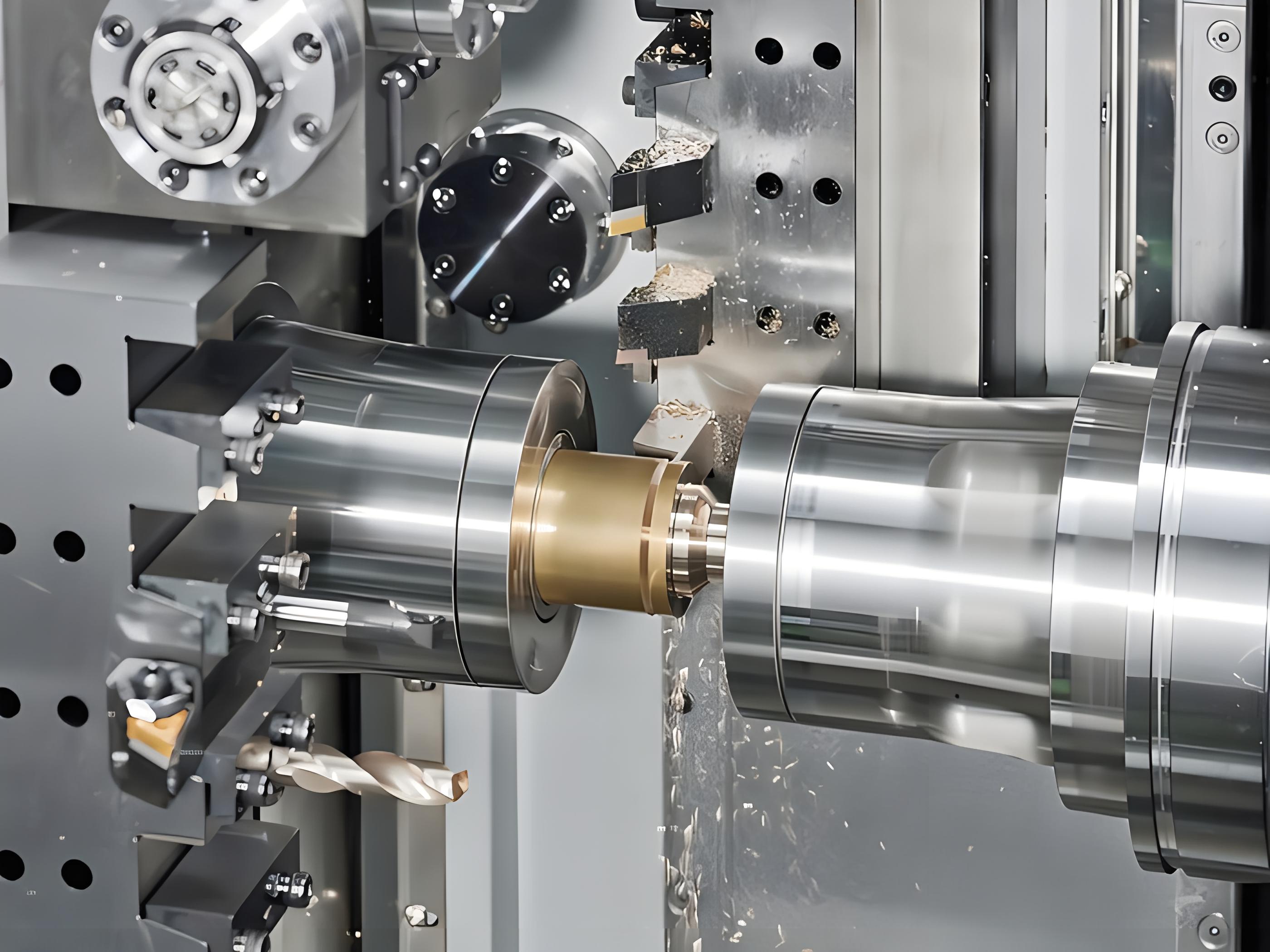
Electric Vehicle Drive Systems Precision CNC truning services
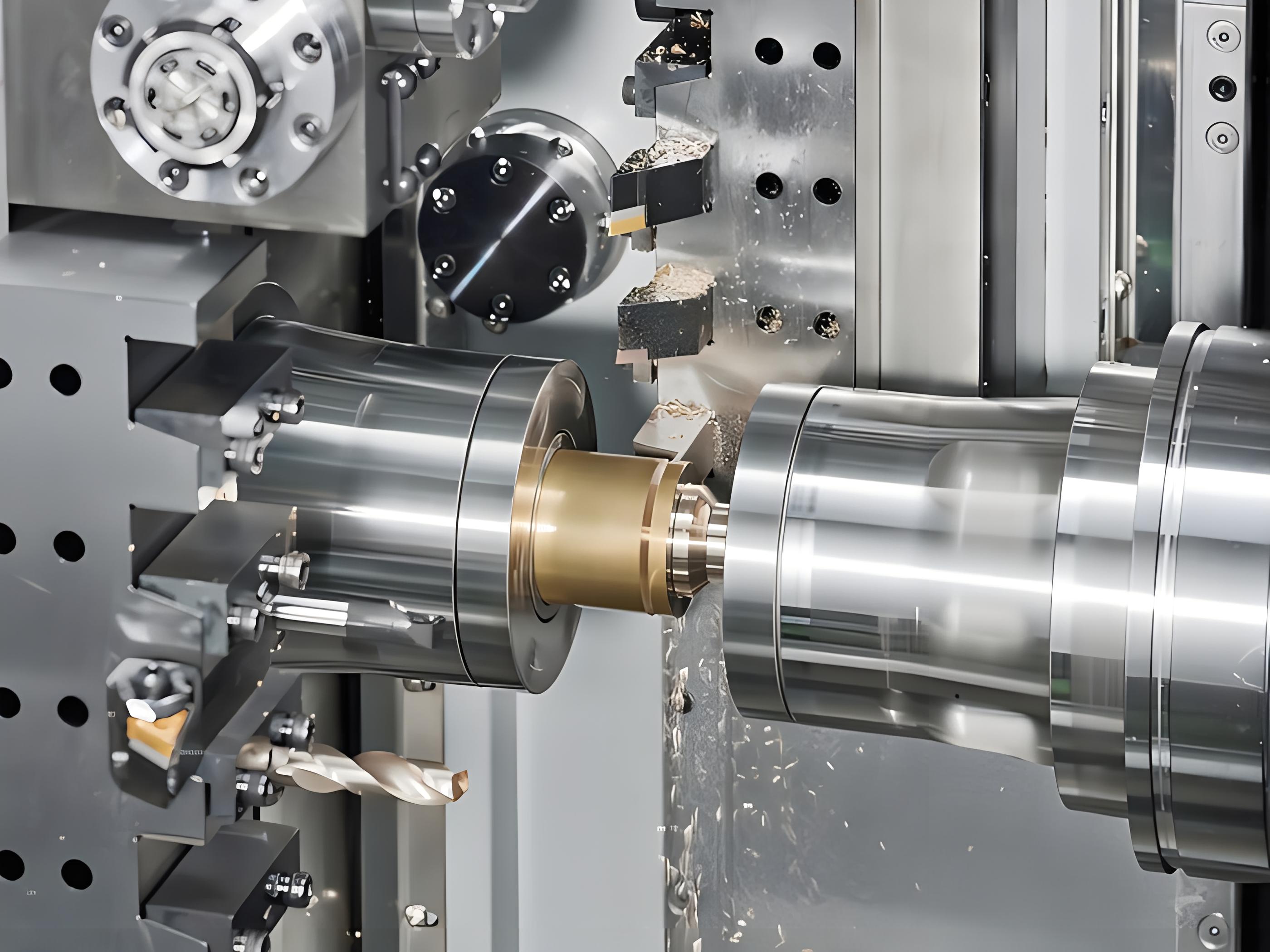
CNC Turning in the Manufacture of Electric Vehicle Drive System Components: Exploring Key Technologies
In the era of electric vehicles (EVs), precision and reliability are paramount in the manufacturing of components for electric vehicle drive systems. As the automotive industry transitions towards sustainable mobility solutions, the demand for high-quality parts that meet stringent performance standards is on the rise. CNC turning, with its ability to deliver precision machining, plays a crucial role in meeting these demands. In this blog post, we'll delve into the key technologies involved in CNC turning and their significance in manufacturing components for electric vehicle drive systems.
Introduction to CNC Turning
CNC turning is a machining process that involves the use of computer-controlled lathes to produce cylindrical parts with intricate features. These parts can range from simple shafts and pins to complex components used in automotive applications. The process begins with a solid cylindrical workpiece mounted on a rotating spindle. As the spindle rotates, cutting tools are guided along the surface of the workpiece, removing material to create the desired shape and features.
Precision and Accuracy
At CGM, we pride ourselves on our state-of-the-art CNC turning capabilities. With 30 automatic Precision CNC Turning machines and 3 five-axis CNC horizontal machines, we ensure exceptional precision and accuracy in every component we manufacture. Our machines boast impressive specifications:
-
Accuracy: Linear accuracy ranging from ±0.002mm to ±0.005mm, roundness accuracy from ±0.003mm to ±0.008mm, and angular accuracy typically ranging from ±0.01 degrees to ±0.05 degrees.
-
Repeatability: Dimensional repeatability ranging from ±0.002mm to ±0.005mm, geometric shape repeatability from ±0.01mm to ±0.02mm, and consistent surface quality with Ra (average roughness) from 0.2 to 0.8 micrometers, Rz (maximum peak-to-valley height) from 2 to 8 micrometers, and Rq from 0.3 to 1.2 micrometers.
Applications in Electric Vehicle Drive Systems
In the context of electric vehicle drive systems, CNC turning plays a critical role in manufacturing various components such as shafts, gears, housings, and connectors. These components are integral to the performance and reliability of electric motors, transmissions, and power electronics. By leveraging our advanced CNC turning capabilities, we can achieve tight tolerances and intricate geometries required for optimal functionality and efficiency in electric vehicle drive systems.
Conclusion
As the automotive industry undergoes a transformation towards electrification, the demand for precision-engineered components for electric vehicle drive systems continues to grow. CNC turning serves as a cornerstone technology in meeting these demands, offering the precision, accuracy, and repeatability necessary for manufacturing high-quality parts. At CGM, we remain committed to pushing the boundaries of CNC turning technology to support the advancement of electric mobility and contribute to a sustainable future.
For more information about our CNC turning capabilities and services, please visit our website at www.linearguider.com.
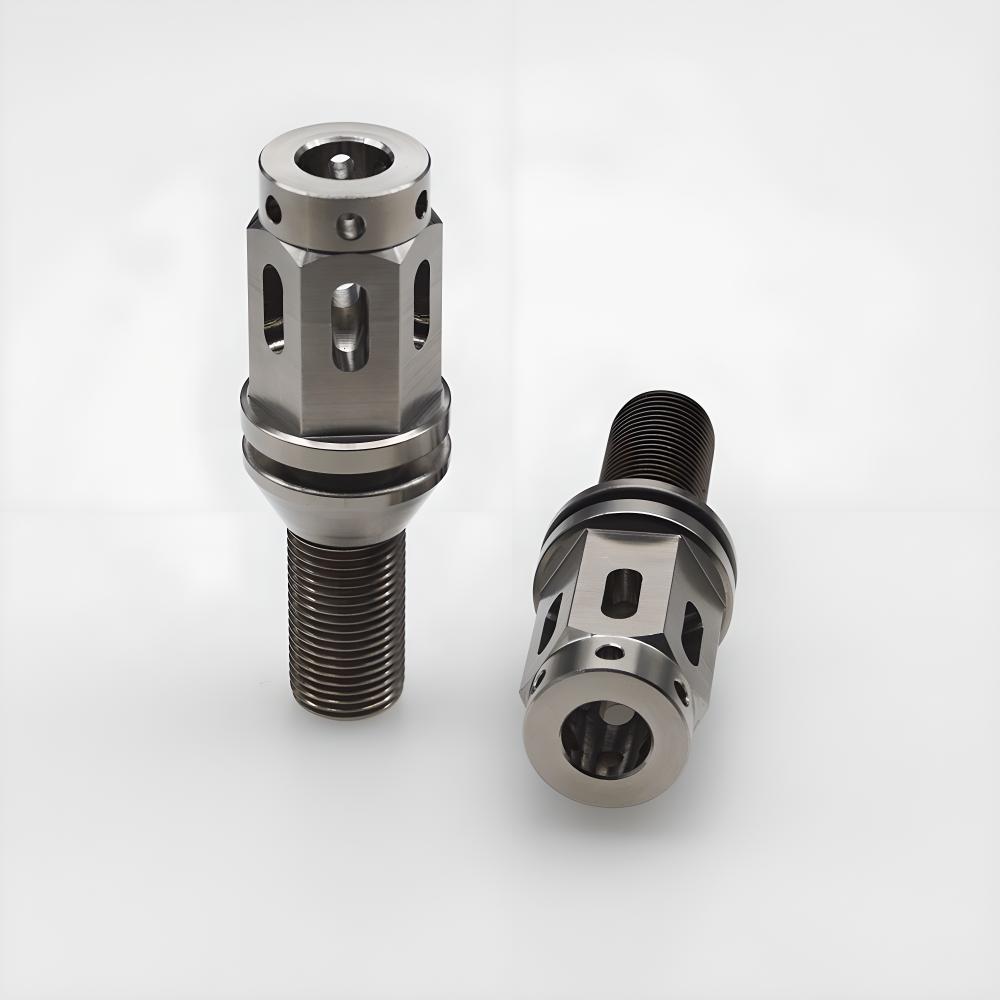

CAD Drawings Precision CNC truning services
Sensor Housing Precision CNC truning services