Basic CNC Turning Process Precision CNC Turning Services
Comparison of CNC Turning and Traditional Turning: Advantages and Disadvantages
In today's manufacturing industry, turning technology has always played a crucial role. With the continuous development of technology, CNC turning, as a modern machining method, has shown many significant advantages and some disadvantages compared to traditional turning. This article will compare the characteristics of these two turning methods, and delve into the basic process of CNC turning, as well as the parameters and machining accuracy of the automatic Precision CNC Turning equipment owned by our company CGM.
1. Advantages of CNC Turning:
a. Automation and Precision:
CNC turning uses computer control systems to achieve highly automated machining processes. Compared to traditional turning, CNC turning has higher precision and repeatability, enabling more refined machining. For example, our company's equipment has linear accuracy ranging from ±0.002mm to ±0.005mm, roundness accuracy ranging from ±0.003mm to ±0.008mm, and angular accuracy typically ranging from ±0.01 degrees to ±0.05 degrees. This high-precision machining capability provides customers with higher quality parts.
b. Flexibility and Versatility:
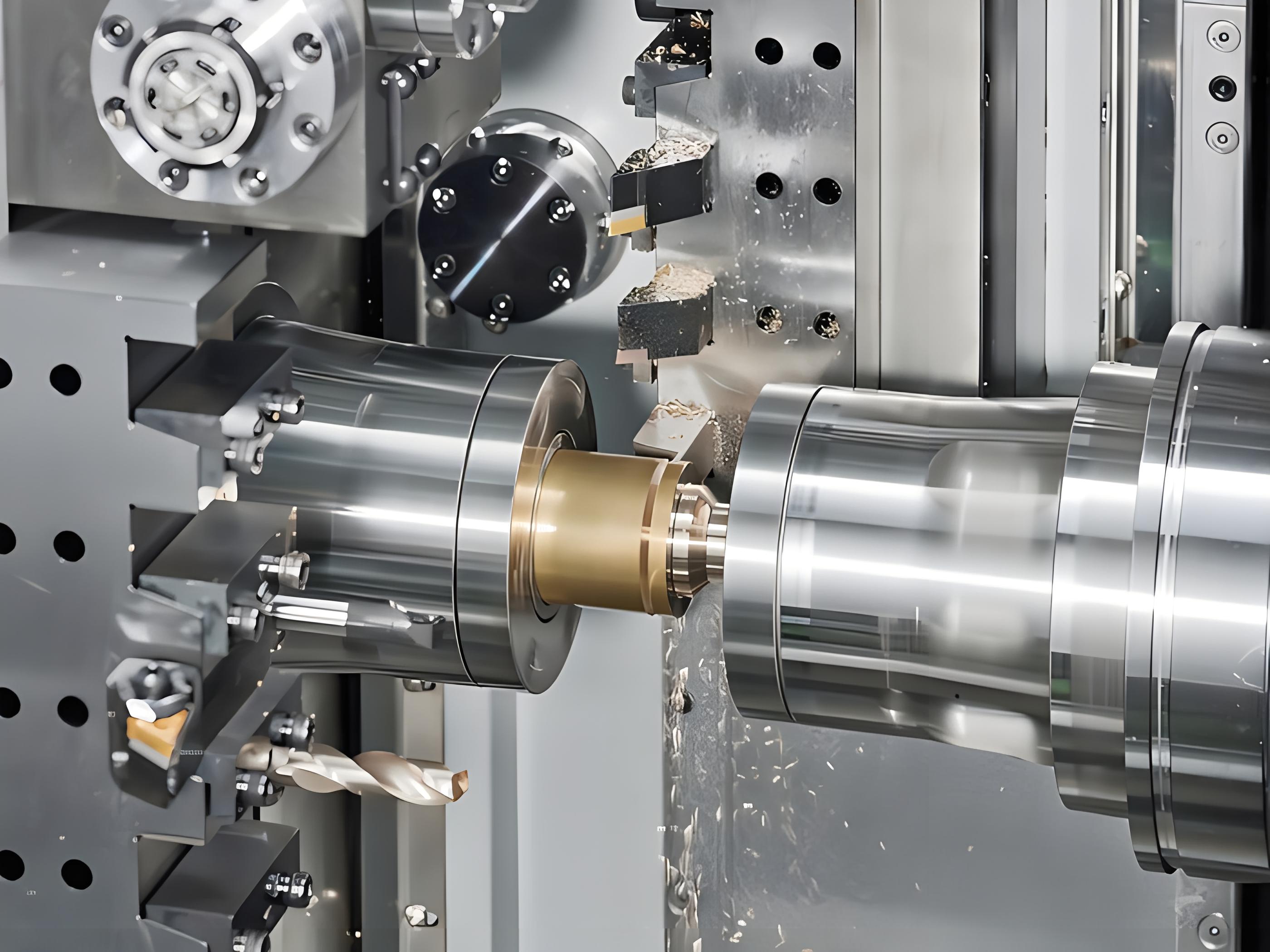
CNC turning can easily accomplish the machining of complex parts, only requiring program modifications to adapt to different workpiece requirements. Traditional turning typically requires tool changes and machine adjustments, making the machining process relatively cumbersome. Additionally, CNC turning can integrate multiple machining operations such as drilling, boring, and tapping, increasing machining efficiency and flexibility.
c. Production Efficiency and Cost Control:
CNC turning can achieve high-speed and continuous machining, greatly improving production efficiency. Moreover, due to its high level of automation, it reduces manual intervention, thereby reducing labor costs. Although the initial investment cost of CNC equipment is relatively high, overall costs can be effectively controlled through increased production efficiency and reduced labor costs.
2. Disadvantages of CNC Turning:
a. High Initial Investment and Maintenance Costs:
The purchase and installation of CNC equipment require significant capital investment, and maintenance and upkeep also require specialized technical skills and expenses. In comparison, the initial investment and maintenance costs of traditional turning equipment are usually lower.
b. High Requirements for Operators:
CNC turning requires operators to possess certain programming and operating skills, as well as an in-depth understanding of machining processes. In contrast, traditional turning has relatively lower requirements for operators, with a lower technical threshold.
c. Not Suitable for Small-Batch Production:
For small-batch production or customized requirements, CNC turning may not be the best choice. Since it requires programming and adjusting machining programs, adapting to production changes may take a longer time, which is not suitable for short production cycles or frequent changes.
Basic Process of CNC Turning:
The basic process of CNC turning includes the following steps:
- Design and Programming: Based on the design requirements of the part, the machining program is written, and machining paths, tool paths, and other parameters are set.
- Workpiece Preparation and Fixturing: Prepare the required raw materials for machining and design fixtures to secure the workpiece, ensuring stability and precision during machining.
- Workpiece Mounting and Tool Setup: Mount the workpiece in the fixture and install and adjust the cutting tools to ensure precision and stability during cutting.
- Machining Operations: Start the CNC equipment, execute the preset machining program, perform turning, drilling, boring, threading, etc., and replace tools and adjust parameters as needed.
- Quality Inspection: After machining is completed, inspect the machined parts for dimensional accuracy, surface quality, and other required specifications.
- Adjustment and Optimization: Based on inspection results, adjust and optimize machining programs to ensure process stability and product quality.
In our company CGM, we have 30 automatic Precision CNC Turning equipment and 3 five-axis CNC horizontal machining centers, with high-precision and high-efficiency machining capabilities to meet various customer requirements for part machining.
By analyzing the advantages and disadvantages of CNC turning and traditional turning, we can see that although CNC turning has some disadvantages, its advantages such as high precision, efficiency, and flexibility make it have a wide range of applications in modern manufacturing industries.

Technical Consultation Precision CNC Turning Services