Electric Vehicle Precision CNC truning services
CNC Turning Process and Technology for New Energy Electric Vehicle Motor Components
In the realm of new energy electric vehicles (NEEVs), the efficient and precise manufacturing of motor components is paramount to ensuring optimal performance and reliability. As the demand for NEEVs continues to rise, manufacturers are increasingly turning to CNC turning technology to meet these stringent requirements. In this blog post, we will delve into the CNC turning process and technology utilized by CGM for the production of motor components for NEEVs.
CNC Turning Process for Motor Components
-
Design Preparation: The process begins with meticulous design preparation, where CAD/CAM software is used to create detailed blueprints of the motor components. This step ensures that every dimension and specification is accurately represented before manufacturing begins.
-
Material Selection: Once the designs are finalized, appropriate materials are selected for the motor components based on their mechanical properties and performance requirements. Common materials include aluminum, stainless steel, and various alloys known for their strength and durability.
-
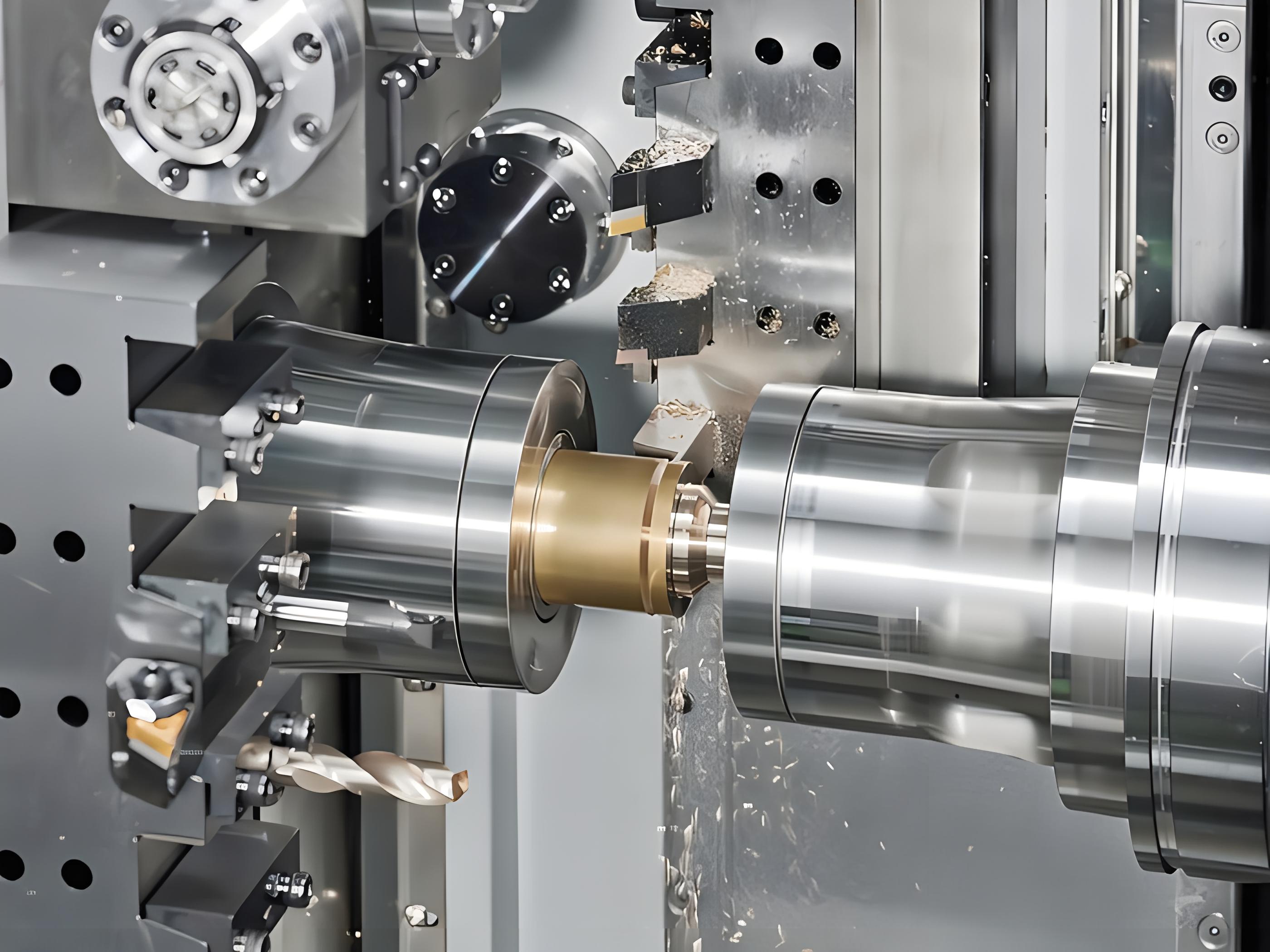
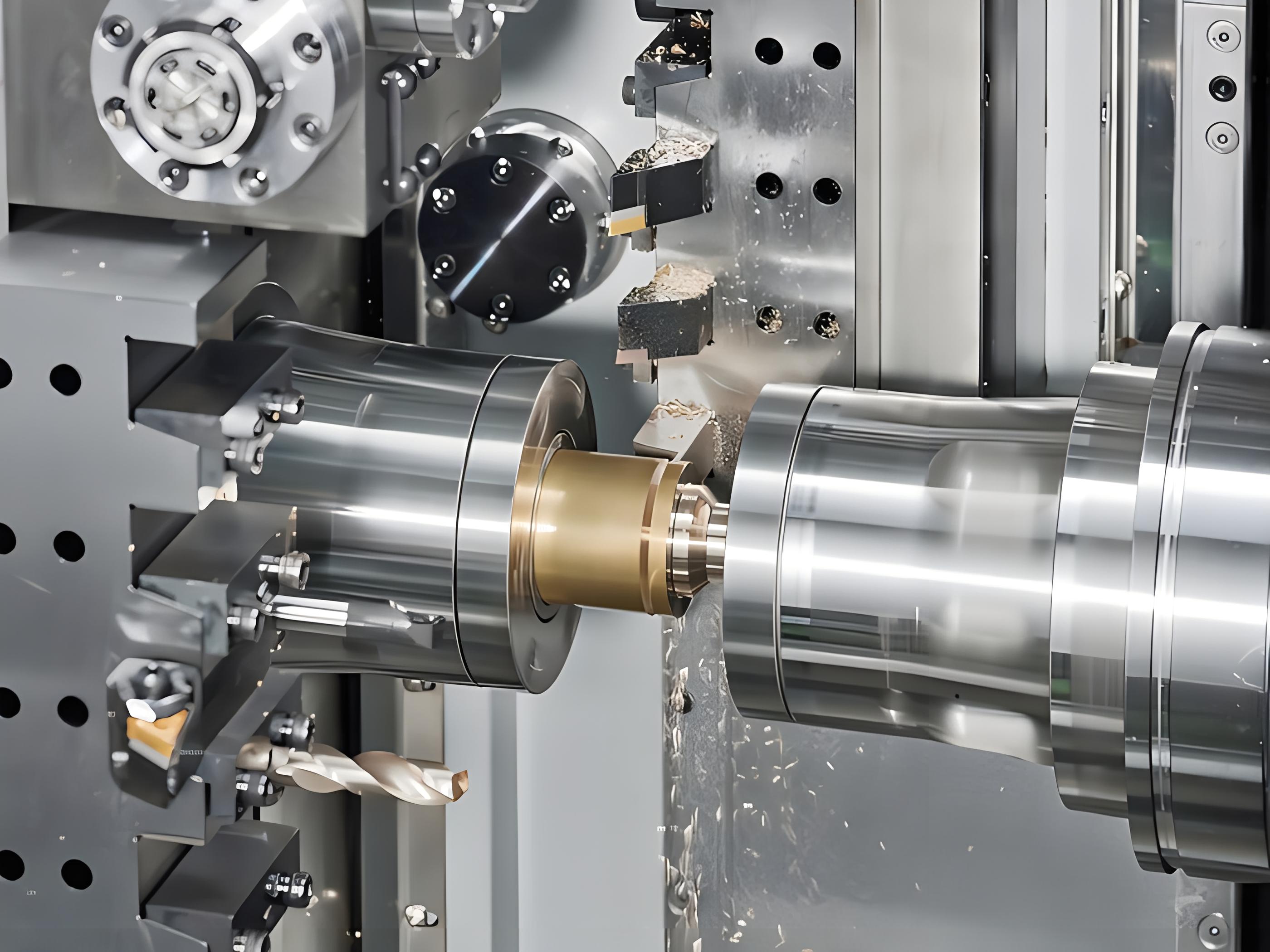
Machine Setup: CGM utilizes state-of-the-art CNC turning equipment, including 30 automatic Precision CNC Turning devices and 3 five-axis CNC horizontal devices. These machines are meticulously calibrated and programmed to execute the precise machining operations required for motor components.
-
Tool Selection: The next step involves selecting the appropriate cutting tools and inserts based on the material being machined and the desired surface finish. CGM's extensive tooling inventory ensures that each component is machined with the utmost precision and efficiency.
-
Machining Operations: With the machine setup and tooling in place, the CNC turning process commences. This involves rotating the workpiece while a stationary cutting tool removes material to achieve the desired shape, dimensions, and surface finish.
-
Quality Assurance: Throughout the machining process, CGM employs rigorous quality assurance measures to ensure that each motor component meets the specified tolerances and quality standards. This includes real-time monitoring of machining parameters and post-machining inspections using advanced metrology equipment.
CNC Turning Technology for Motor Component Manufacturing
-
Precision and Accuracy: CGM's CNC turning equipment boasts exceptional precision and accuracy, with linear accuracy ranging from ±0.002mm to ±0.005mm and angular accuracy typically within ±0.01 degrees to ±0.05 degrees. This level of precision ensures that motor components meet tight tolerances and fitment requirements.
-
Repeatability and Consistency: The CNC turning process at CGM offers high repeatability and consistency, with dimensional repeatability ranging from ±0.002mm to ±0.005mm and geometric shape repeatability from ±0.01mm to ±0.02mm. This consistency is essential for mass production of identical motor components.
-
Surface Quality: CGM's CNC turning equipment delivers exceptional surface quality, with surface roughness (Ra) ranging from 0.2 to 0.8 micrometers and maximum peak-to-valley height (Rz) from 2 to 8 micrometers. This ensures that motor components have smooth surfaces free from defects or imperfections.
Conclusion
In conclusion, CNC turning technology plays a pivotal role in the manufacturing of motor components for new energy electric vehicles. CGM's advanced CNC turning equipment and precision capabilities enable the efficient and precise production of motor components that meet the stringent requirements of the NEEV industry. For more information on CGM's CNC turning services and capabilities, visit our website at www.linearguider.com.

Precision CNC truning services
ransmission Shafts Precision CNC truning services