Rotary to Linear Motion with Gear Racks
Achieving Precision: Rotary to Linear Motion with Gear Racks
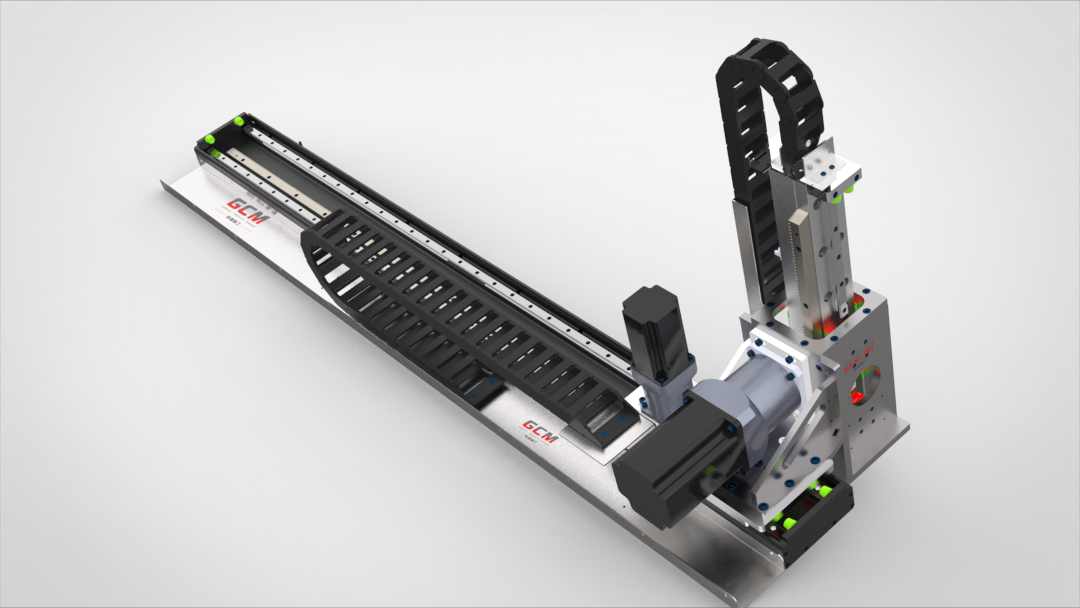
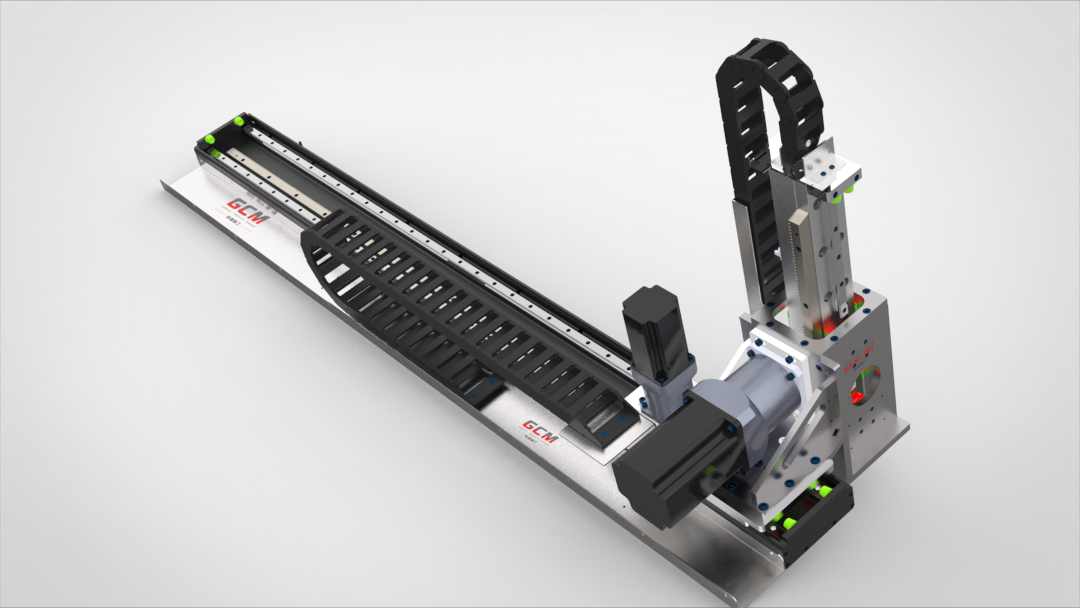
The mechanical transmission principle of rotary to linear motion is a cornerstone in many industrial applications, offering precise and efficient movement. At our company, we harness this principle using gear racks, where a servo motor mounted on gears drives linear motion along the gear racks, achieving the desired linear movement.
Design Considerations for Precision Linear Motion
When designing systems for rotary to linear motion, several key factors come into play to ensure accuracy and performance:
-
Servo Motor Selection: Choosing the right servo motor power is crucial. We assess actual production needs to determine the optimal power output for seamless operation.
-
Gearbox Parameters: Selecting gearbox ratios is another critical step. These ratios are tailored to match specific customer production requirements, ensuring smooth transitions and optimal performance.
-
Linear Guides and Sliders: To guarantee precision in linear motion, we carefully select linear guides and sliders. Parameters such as load capacity, acceleration, speed, and precision are meticulously considered to meet the demands of different applications.
- Load Capacity: Different sizes and specifications of linear guides have varying load-bearing capacities. We choose the appropriate guide size based on the actual workload to ensure optimal performance.
- Acceleration: Acceleration is a key dynamic performance indicator for linear guides. Higher acceleration capabilities translate to better response speeds and dynamic performance.
- Speed: Linear guides typically have different speed ratings, such as 3m/s, 5m/s, or 10m/s, depending on the application requirements.
- Precision: High precision and stability are essential characteristics of linear guides, meeting diverse processing requirements.
Common Servo Motor Parameters
Understanding the parameters of servo motors is essential for effective system design:
- Rated Torque: The maximum torque output of a servo motor at rated speed.
- Rated Speed: The highest speed a servo motor can achieve under rated voltage and load conditions.
- Pole Pairs: The number of magnetic poles on the rotor of a servo motor.
- Peak Torque: The maximum torque a servo motor can output for a short duration.
- Peak Current: The maximum current a servo motor can withstand for a brief period.
- Positioning Accuracy: The rotational precision of a servo motor.
- Vibration: The degree of oscillation when a servo motor operates at high speeds.
- Noise: The level of sound produced by a servo motor during operation.
- Torque Constant: The torque output of a servo motor at rated current.
- Voltage Constant: The voltage required by a servo motor at rated current.
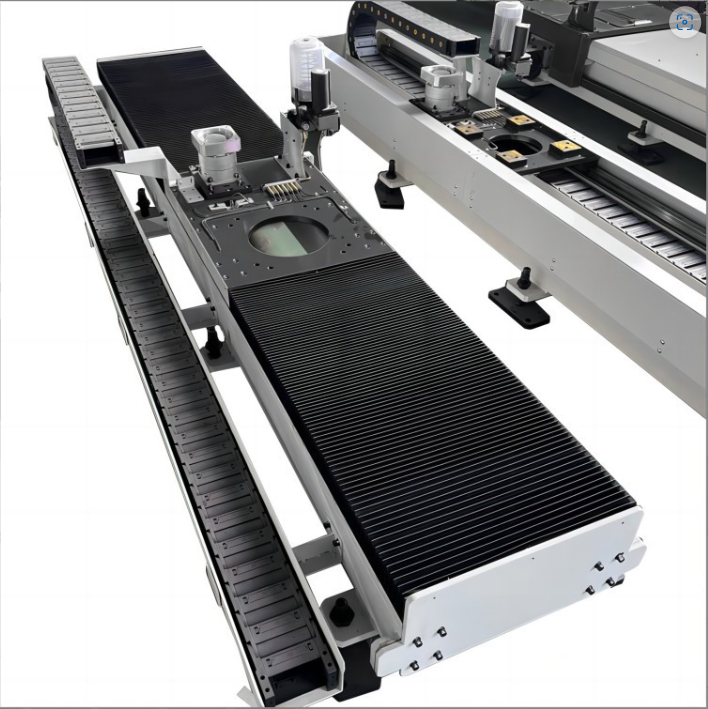
By carefully considering these parameters and utilizing gear racks for rotary to linear motion, we ensure precise and reliable performance in our mechanical systems, meeting the diverse needs of our customers across various industries.
rotation to linear motion in Gear Rark modules
linear motion definition Rack and pinion mechanical module