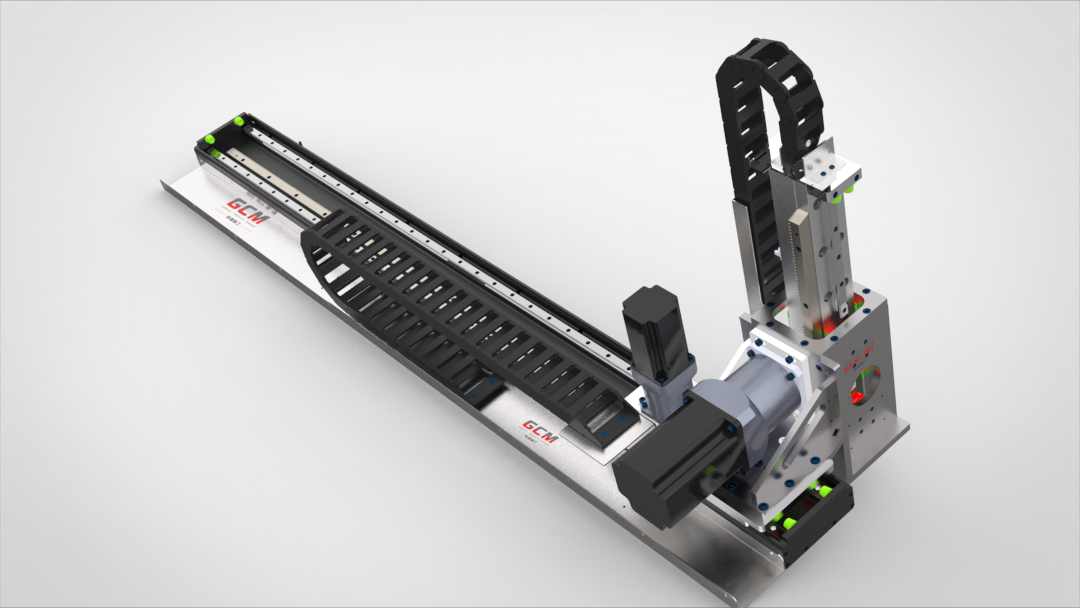
rotation to linear motion in Gear Rark modules
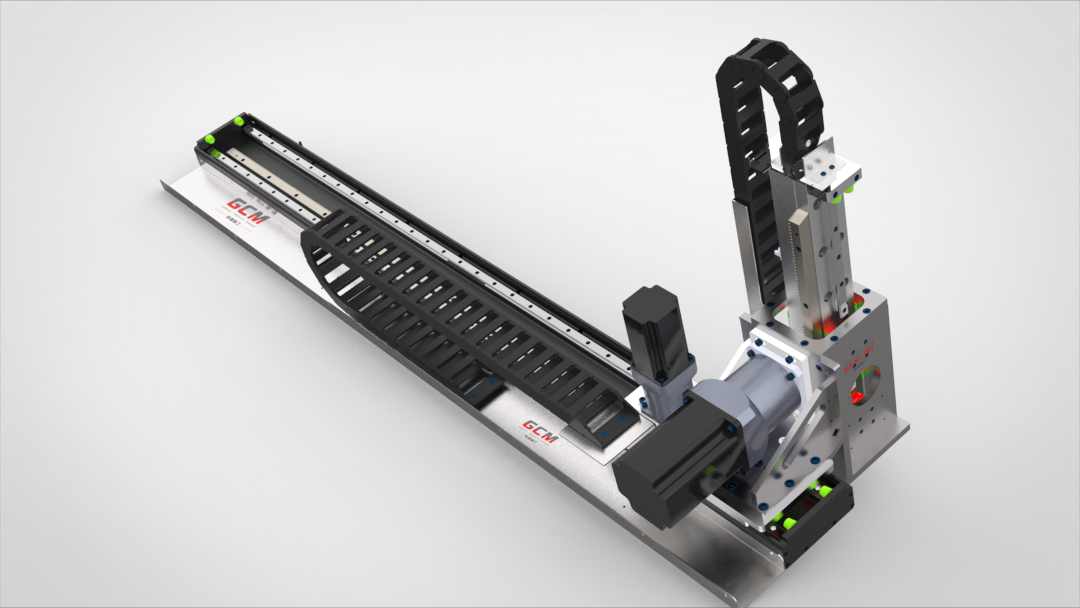
Transforming Rotation to Linear Motion: A Mechanical Engineering Marvel
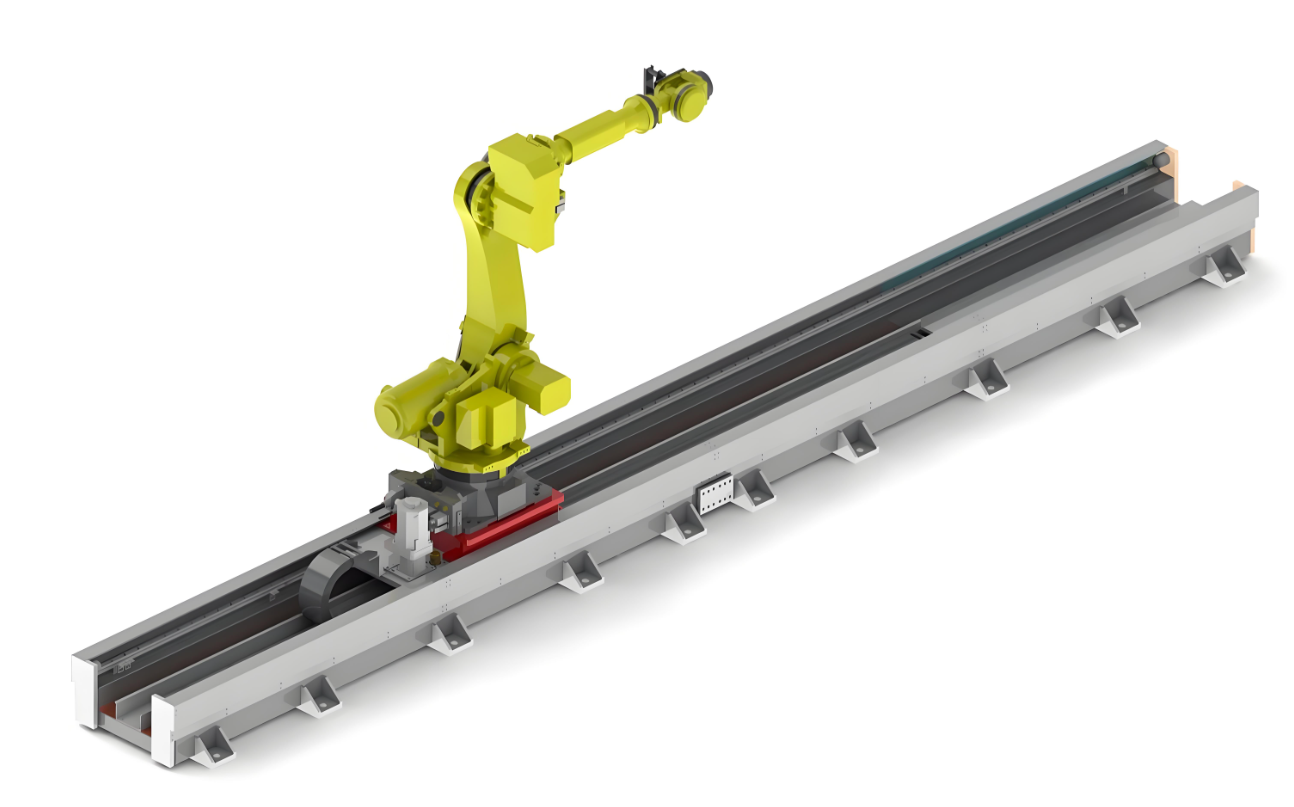
At our company, we harness the power of rotation to linear motion principles to design efficient mechanical transmissions. This innovative approach offers numerous benefits, including strong load-bearing capabilities and the ability to achieve extended travel distances theoretically limitless.
Selecting Gear Racks: A Guide to Key Parameters
When it comes to gear rack selection, several essential parameters play a crucial role:
- Module: The basic parameter of a gear rack, representing the ratio of axial size to the number of teeth, typically denoted as "m" and measured in millimeters.
- Pressure Angle: The angle formed between the gear rack's profile curve and its axis in gear rack-gear pairings. Common pressure angles include 20° and 14.5°.
- Length: The effective length of the gear rack, denoted as "L" and measured in millimeters.
- Number of Teeth: Indicates the total number of teeth on each gear rack.
- Tooth Width: The width required for tooth engagement.
- Root Taper: The spacing between tooth forms, adjusted to ensure adequate contact distance.
- Pitch Line: Determines gear spacing and gear rack transmission efficiency.
- Throat Width: The width of the gear rack's throat, corresponding to the bore diameter of the primary shaft.
Servo System Parameter Selection
In our servo system, careful consideration is given to the following parameters:
- Load Capacity: Tailoring linear guide specifications based on actual workload requirements.
- Acceleration: Enhancing dynamic performance with higher acceleration capabilities.
- Speed: Choosing optimal linear guide speeds, such as 3m/s, 5m/s, or 10m/s.
- Precision: Ensuring high precision and stability for diverse machining demands.
Additional Considerations and Installation Processes
In addition to servo system parameters and gear rack selection, we focus on other crucial aspects:
- Cable Selection: Opting for flexible and signal-shielded cables with waterproof interfaces and oil-resistant features for high-speed motion applications.
- Installation Precision: Achieving high contact surface smoothness at flange connections and CNC-milling gear rack installation areas within 1mm tolerance.
- Gear Material and Processing: Utilizing specialized materials like carbon steel (S45C), alloy steel (SCM440 and SCM415), stainless steel (SUS303 and SUS304), non-ferrous metals (C3604, brass), and engineering plastics (MC901 and MC602ST) for gear rack manufacturing, with optional heat treatments for enhanced performance.
Conclusion
By leveraging rotation to linear motion principles and meticulously selecting gear racks and servo system parameters, we ensure the design and implementation of highly efficient and reliable mechanical systems tailored to meet our customers' diverse needs across various industries. Our commitment to precision, quality, and innovation drives us towards excellence in mechanical engineering solutions.
Rotary to Linear Motion with Gear Racks