Technical Consultation Precision CNC Turning Services

Basic Process and Operation Steps of CNC Turning
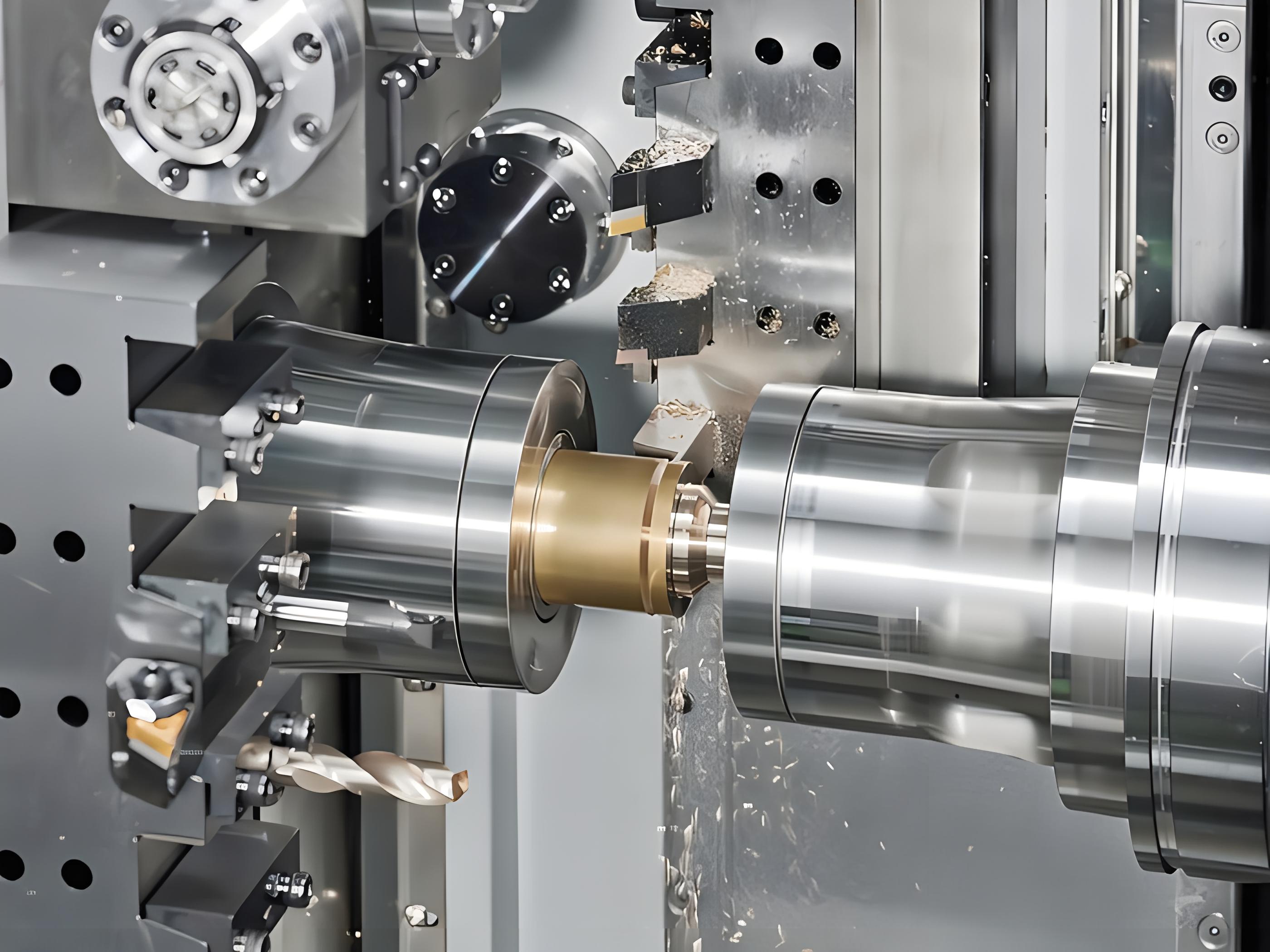
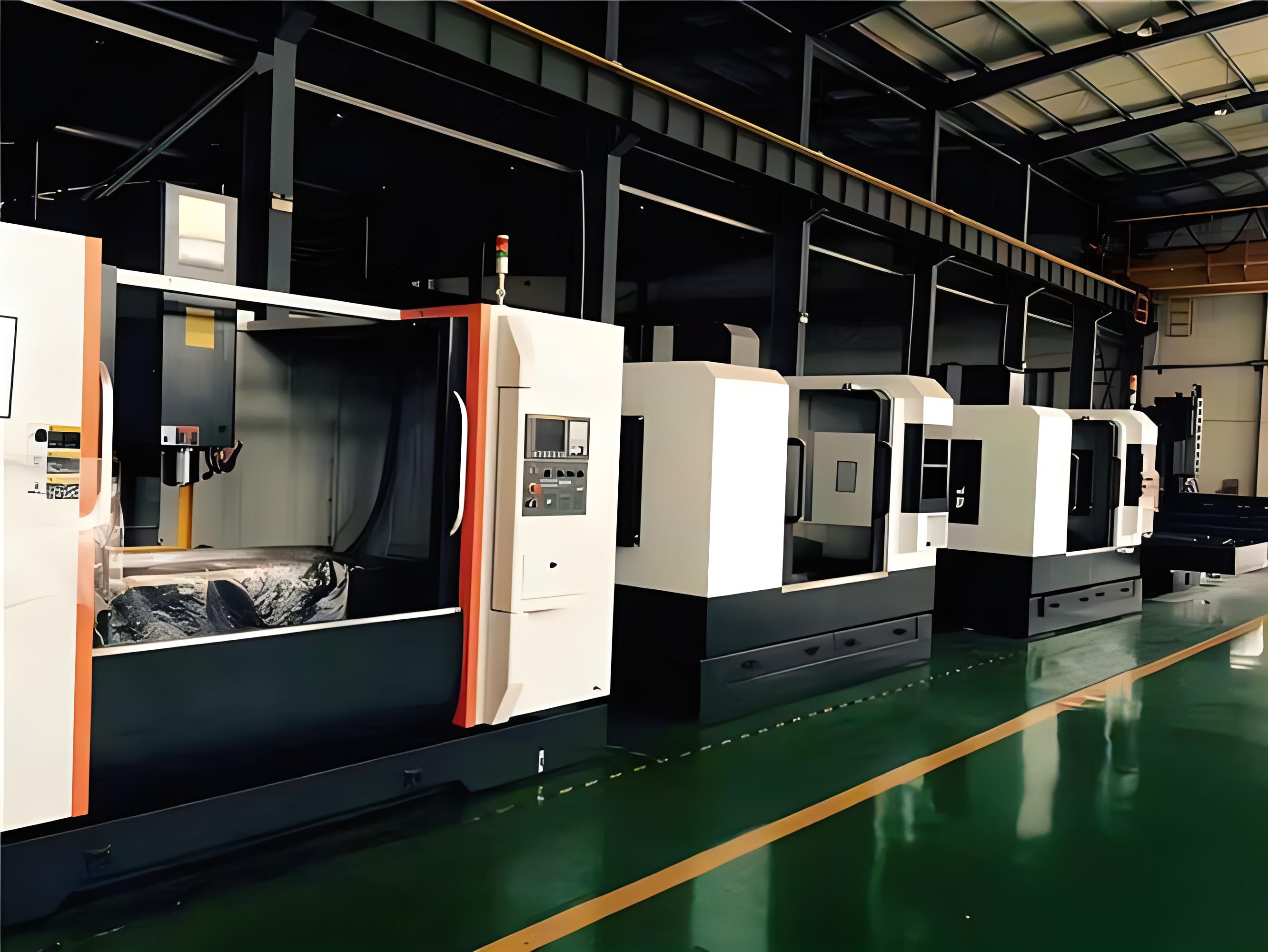
In modern manufacturing, CNC (Computer Numerical Control) turning has become a crucial machining technique. It enables efficient and precise processing of various metal and non-metal materials, widely applied in industries such as automotive, aerospace, and medical devices. At CGM, we boast 30 automatic Precision CNC Turning devices and 3 five-axis CNC horizontal lathes, providing high-quality machining services to our clients.
Basic Process of CNC Turning
-
Program Design: Initially, the machining program is developed based on the part's design blueprint. This involves determining cutting paths, parameters, and clamping methods.
-
Workpiece Preparation: The raw material to be machined is fixed onto the lathe, typically using fixtures to ensure stability and accuracy during machining.
-
Tool Selection: Depending on machining requirements and material properties, suitable cutting tools are chosen. Different cutting tasks demand various types and sizes of tools.
-
Setting Process Parameters: Machining parameters, including cutting speed, feed rate, and depth of cut, are configured within the CNC control system. These parameters directly affect machining efficiency and quality.
-
Commence Machining: The CNC control system is initiated to execute the pre-written machining program. The lathe automatically performs machining according to set paths and parameters, completing the part's machining operations.
-
Quality Inspection: Upon completion of machining, the machined part undergoes quality inspection. Measurements of dimensions, surface quality, and other indicators ensure that the machining results meet requirements.
-
Trimming and Finishing: If necessary, the machined part is trimmed and finished to meet customer specifications.
-
Packaging and Shipping: Finally, the machined parts are packaged and prepared for shipment to customers.
Impact of Material Selection on CNC Turning
Material selection is a critical factor influencing machining results and costs in CNC turning. Different materials possess distinct physical properties and machining characteristics, necessitating selection based on specific requirements.
-
Metal Materials: Common metal materials include aluminum, steel, copper, titanium, etc. They vary in hardness, strength, and thermal conductivity. Material selection considers part usage, required mechanical properties, and machining difficulty.
-
Non-Metal Materials: These include plastics, ceramics, composite materials, etc. Typically exhibiting lower hardness and density, they are prone to cutting deformation and surface damage during machining, requiring appropriate tooling and machining parameters.
At CGM, equipped with advanced machining equipment and extensive experience, we provide customized machining solutions and high-quality machining services tailored to different material properties and requirements. Our equipment offers high precision and stability, meeting customer demands for part quality and delivery timelines.
By understanding the basic process of CNC turning and the impact of material selection, we trust you have gained deeper insight into our machining capabilities. For any machining needs or technical inquiries, feel free to contact us anytime. We are committed to serving you with excellence.
Visit the www.linearguider.com for more information and product details.
Customized Machining Solutions Precision CNC Turning Services
Basic CNC Turning Process Precision CNC Turning Services