
Automating PCB Pattern Plating with Robotic Arms Project and Gold Plating Technology

The automation of PCB pattern plating has revolutionized manufacturing in the electronics industry, offering greater efficiency and precision. Through the integration of robotic arm project, gold plating technology, and electroplating rectifiers, this process ensures high-quality printed circuit boards (PCBs) suitable for a wide range of applications, from electronics to automotive and telecommunications.
In this article, we will explore the role of automated PCB pattern plating, the importance of gold plating, and how electroplating rectifiers contribute to enhancing PCB production.
The Role of Robotic Arms Project in PCB Pattern Plating
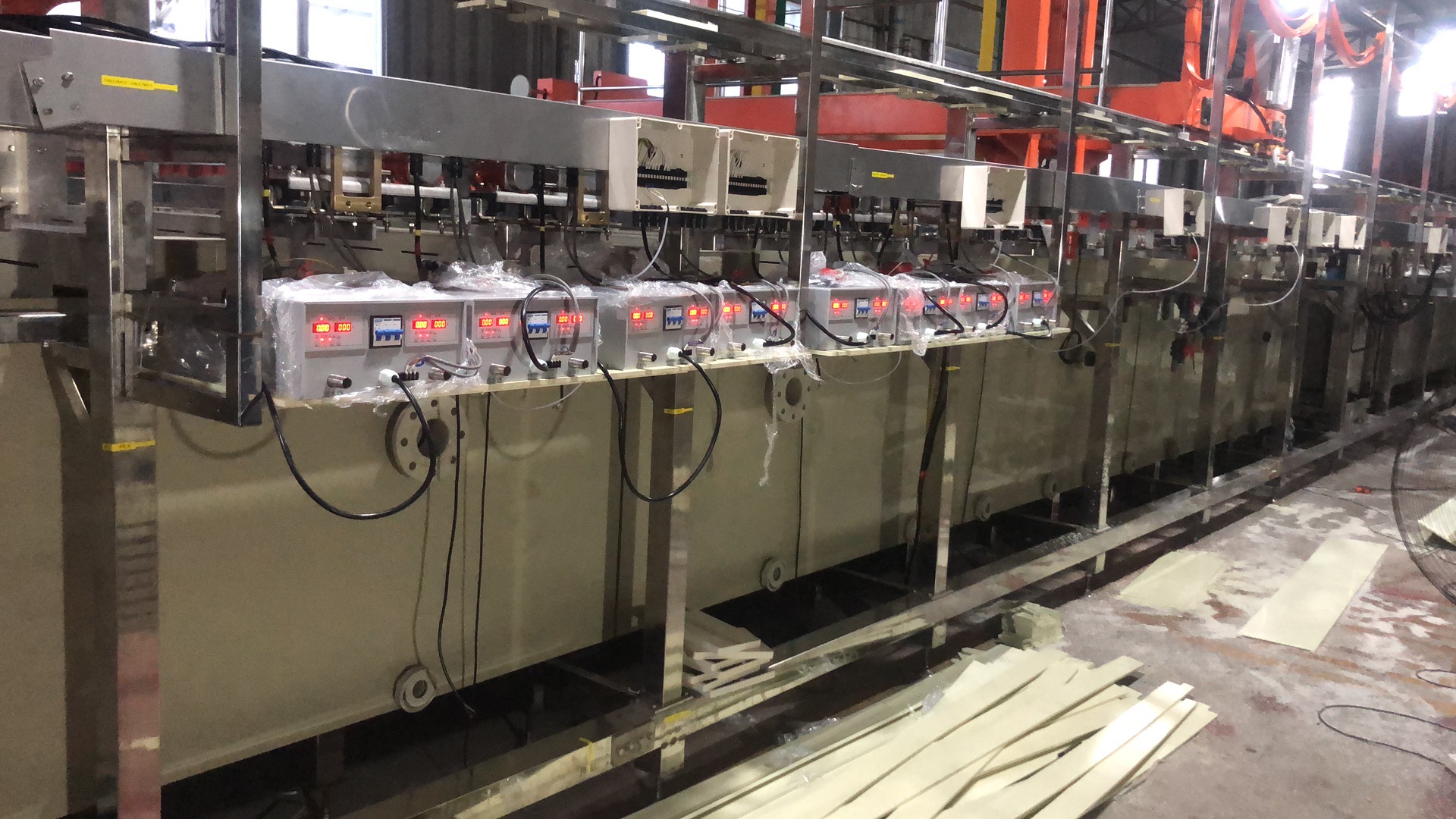
In modern manufacturing, robotic arms are critical to automating complex processes, including PCB pattern plating. These arms allow for precise and repeatable movements, ensuring that the electroplating process is carried out uniformly across all circuit patterns. By automating this task with a robotic arm project, manufacturers can reduce human error, increase production speed, and achieve consistent results.
Robotic arms are particularly useful in handling delicate and intricate processes, such as placing components on the PCB and managing the movement of boards through the electroplating bath. This level of control not only improves the quality of the plated PCBs but also minimizes the risk of defects.
Gold Plating for PCB Performance
Gold plating PCB is a critical step for ensuring the longevity and reliability of the circuit boards, especially in high-performance applications like telecommunications and automotive electronics. Gold is highly conductive and resistant to corrosion, making it an ideal material for coating critical contact points on PCBs.
In the electroplating process, gold is deposited onto specific areas of the PCB to enhance electrical conductivity. This precise deposition ensures that electrical signals travel efficiently across the circuit, reducing the risk of signal loss or short circuits. The use of gold in PCB plating not only boosts performance but also extends the lifespan of the boards, making them suitable for use in harsh environments.
The Importance of Electroplating Rectifiers
At the heart of the electroplating process is the electroplating rectifier, which converts alternating current (AC) into direct current (DC). This conversion is essential for controlling the flow of electricity during the plating process. A steady and controlled current ensures that the metal, whether it's gold or another conductive material, is deposited evenly across the PCB's surface.
Electroplating rectifiers also allow for adjustments in current intensity, which is crucial for plating different types of metals. By fine-tuning the current, manufacturers can ensure that the plating adheres uniformly and provides the desired thickness, resulting in high-quality PCBs. A poorly controlled current could lead to uneven plating, resulting in defects that compromise the board's performance.

Automating the PCB pattern plating process using robotic arms, gold plating, and reliable electroplating rectifiers has greatly enhanced the efficiency and quality of PCB production. Robotic arms provide precision and control, gold plating improves conductivity and durability, and electroplating rectifiers ensure a smooth and uniform deposition of metal across the PCB surface.
These technological advancements have made it possible to produce PCBs that meet the demanding standards of modern electronics, automotive, and telecommunications industries. As automation continues to evolve, so too will the capabilities of PCB manufacturing, leading to even more innovative and high-performance products.
Enhancing PCB Surface Finish and Plating Efficiency with Advanced Rectifiers and Motion Sensor Controllers
Elevate Your PCB Quality with Gold Electroplating:PCB Gold Plating


