
Automation Precision CNC Turning
Exploring CNC Turning: Principles, Applications, and Comparison
In today's manufacturing industry, CNC (Computer Numerical Control) turning technology has become an indispensable process. This article will introduce what CNC turning is, discuss its principles and application areas, and compare it with traditional turning. Additionally, we will share the equipment parameters and machining accuracy of our company, CGM, to showcase our technological level and advantages.
What is CNC Turning?
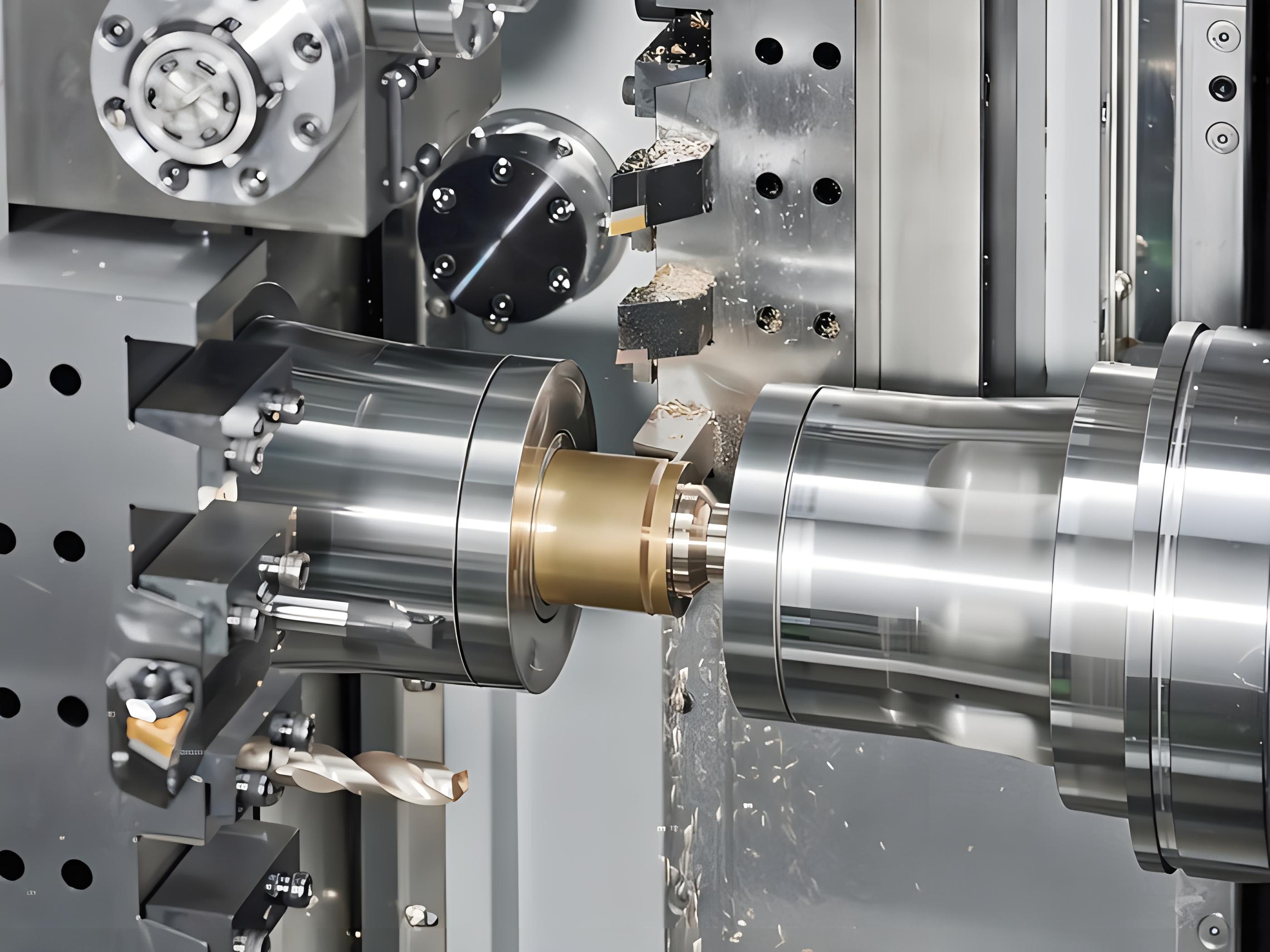
CNC turning is a machining process that utilizes computer-controlled machinery to automate cutting operations. It involves using cutting tools to remove material from a rotating workpiece to create various complex-shaped components. Compared to traditional manual lathes, CNC turning offers higher precision, efficiency, and flexibility.
Principles and Application Areas of CNC Turning
The principle of CNC turning involves pre-programmed instructions to control the movement and cutting of tools along predetermined paths in three-dimensional space. This precise control capability makes CNC turning widely applicable in industries such as aerospace, automotive manufacturing, medical equipment, and electronics.
In the aerospace sector, CNC turning is used to manufacture high-precision components for aircraft engines and structures. In automotive manufacturing, it produces engine components and brake system parts. In medical equipment, it is used for precision machining of artificial joints and medical devices. In the electronics industry, it manufactures components such as electronic device housings and connectors.
Comparison between CNC Turning and Traditional Turning
CNC turning offers several advantages over traditional turning:
- Precision and Repetition: CNC turning achieves higher machining accuracy and repeatability. For example, our company's Precision CNC Turning equipment has micrometer-level precision and repeatability.
- Automation Level: CNC turning represents automated machining, allowing for production automation through pre-programmed instructions, reducing the need for manual labor.
- Flexibility and Versatility: CNC turning can achieve different shapes and sizes of parts by simply changing machining programs and tools, enhancing production flexibility and diversity.
Equipment Parameters and Machining Accuracy of CGM Company's Precision CNC Turning Equipment
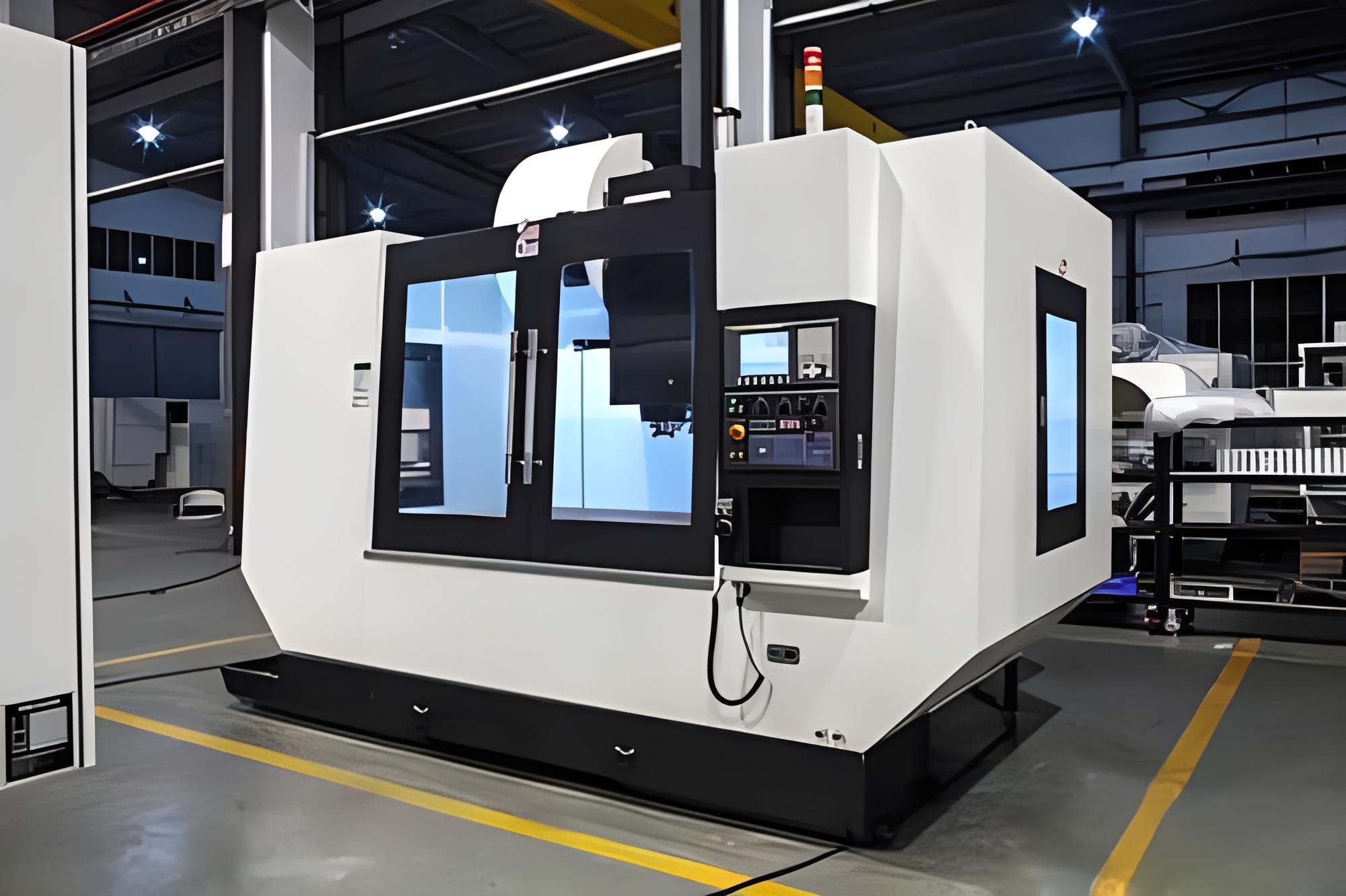
Our company, CGM, has 30 automatic Precision CNC Turning devices, including three five-axis CNC horizontal lathes. Our equipment offers the following machining accuracy:
- Precision: Linear accuracy ranges from ±0.002mm to ±0.005mm, roundness accuracy ranges from ±0.003mm to ±0.008mm, and angular accuracy ranges from ±0.01 degrees to ±0.05 degrees.
- Repeatability: Size repeatability ranges from ±0.002mm to ±0.005mm, and geometric shape repeatability ranges from ±0.01mm to ±0.02mm.
- Surface Quality: Surface quality consistency includes Ra (average roughness) ranging from 0.2 to 0.8 micrometers, Rz (maximum peak-to-valley height) ranging from 2 to 8 micrometers, and Rq ranging from 0.3 to 1.2 micrometers.
These parameters demonstrate the superior performance and machining capabilities of our Precision CNC Turning equipment. We are committed to providing customers with high-quality, precision machining services.
Conclusion
Through this article, you now have a deeper understanding of the principles, applications, and comparison between CNC turning and traditional turning. If you are interested in our company's Precision CNC Turning services, please visit our website www.linearguider.com for more details and feel free to contact us. We look forward to cooperating with you to create a brighter future together!



Equipment Parameters Precision CNC Turning Services
Lens Mounts Precision CNC Milling service