Workpiece materials Precision CNC Turning Services

Exploring the Suitability and Pros and Cons of Different Tool Types for Various Workpieces in CNC Turning and Surface Treatment Techniques
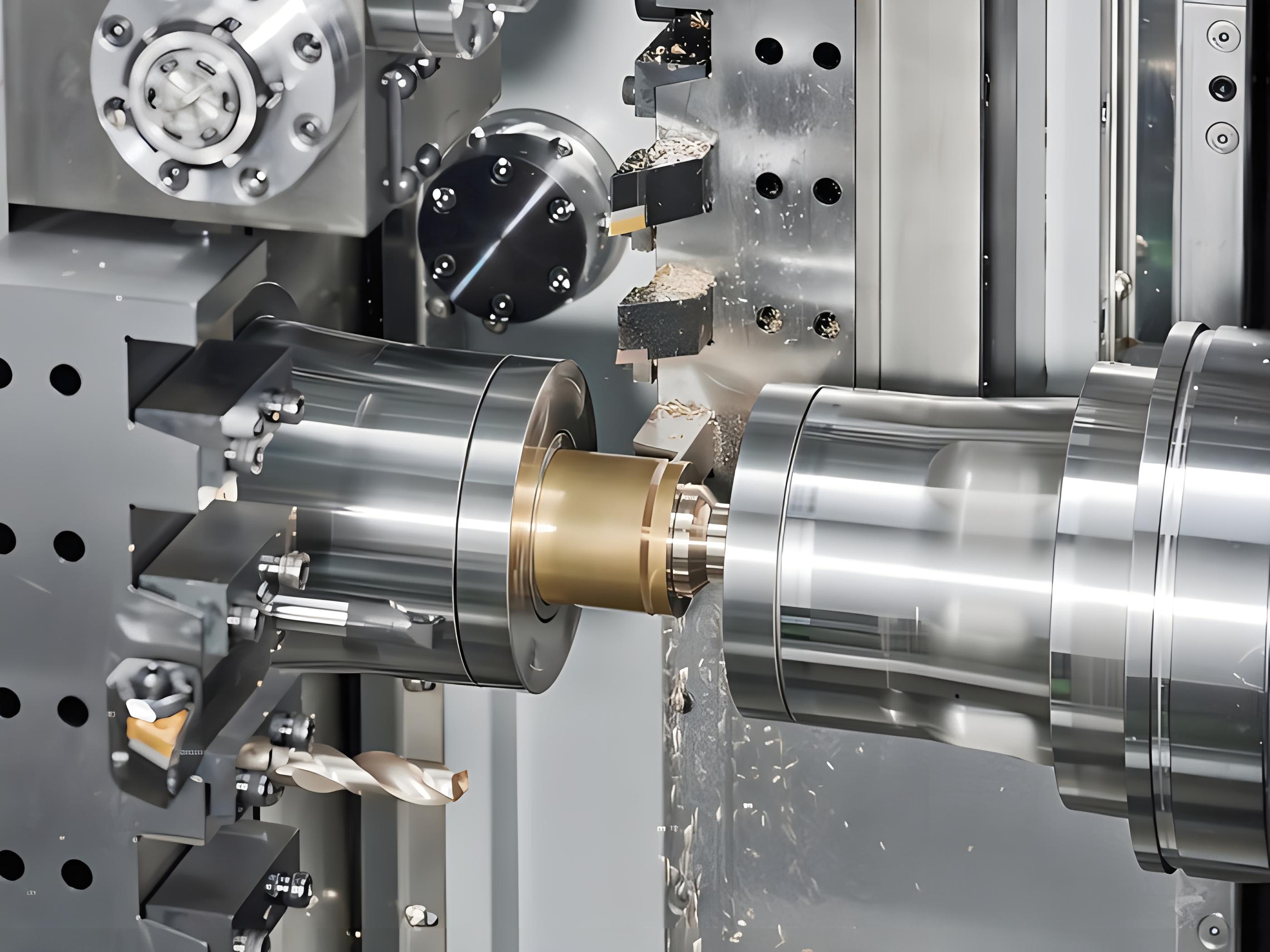
In modern manufacturing, CNC turning technology has become an essential process for producing high-precision components. With continuous technological advancements and innovations, the demand for machining different workpieces has become increasingly diverse. In CNC turning, the selection of tools and surface treatment techniques is crucial for the quality and performance of the final product. This article will discuss the suitability and pros and cons of different tool types in CNC turning, and delve into the surface treatment techniques utilized within CGM Company's 30 Precision CNC Turning devices and 3 five-axis CNC horizontal devices.
Tool Selection and Suitability
In CNC turning, choosing the appropriate tool type is crucial for machining different materials and shapes of workpieces. Common tool types include tungsten steel tools, carbide tools, and ceramic tools, each with their own characteristics and suitability:
-
Tungsten Steel Tools:
- Pros: Good wear resistance and cutting performance, suitable for machining materials with moderate hardness.
- Cons: Prone to wear when machining high-hardness materials or at high cutting speeds, resulting in lower machining efficiency.
- Suitability: Suitable for machining low-hardness steels, aluminum alloys, etc., where high surface precision requirements are not critical.
-
Carbide Tools:
- Pros: High hardness and wear resistance, suitable for machining high-hardness materials and high-speed cutting.
- Cons: Higher cost, prone to vibration and tool wear, requiring good tool management and grinding techniques.
- Suitability: Suitable for machining high-hardness materials such as stainless steel, titanium alloys, where high surface precision and cutting quality requirements are critical.
-
Ceramic Tools:
- Pros: Excellent high-temperature hardness and chemical stability, good wear resistance, and minimal thermal deformation.
- Cons: Brittle, susceptible to impact and vibration, prone to tool tip breakage during machining.
- Suitability: Suitable for machining high-hardness, high-temperature materials such as hard alloys, ceramics, where high surface precision and cutting quality requirements are critical.
Surface Treatment Techniques
In addition to tool selection, surface treatment techniques are also crucial factors affecting machining quality and workpiece performance. Within CGM Company's equipment, precision CNC turning technology enables high-precision surface machining. Common surface treatment techniques include:
-
Polishing: Mechanical or chemical polishing methods to improve surface smoothness, reduce surface roughness, and enhance the appearance quality of workpieces.
-
Sandblasting: Utilizing high-pressure air or sandblasting machines to remove surface oxides and burrs, increasing surface roughness.
-
Anodizing: Suitable for aluminum alloys and other metals, forming an oxide layer on the surface through electrochemical reactions to improve surface hardness and corrosion resistance.
-
Plating: Such as chrome plating, nickel plating, forming a metal coating on the surface through electrochemical methods to increase corrosion resistance and surface brightness.
-
Grinding: Using grinding processes to remove burrs and uneven surfaces, improving surface precision and smoothness.
Through these surface treatment techniques within CGM Company's Precision CNC Turning and five-axis CNC horizontal devices, precise surface machining is achieved, meeting customer demands for surface quality and appearance.
In summary, in CNC turning, tool selection and surface treatment techniques are crucial factors affecting machining quality and workpiece performance. Depending on the machining requirements, the appropriate tool type should be selected, along with suitable surface treatment techniques, to achieve high precision and efficiency. With CGM Company's equipment and technical support, we continuously optimize tool selection and surface treatment processes to provide customers with high-quality machining services.

Equipment Parameters Precision CNC Turning Services