Equipment Parameters Precision CNC Turning Services
Exploring the Basic Process and Material Selection Impact on CNC Turning
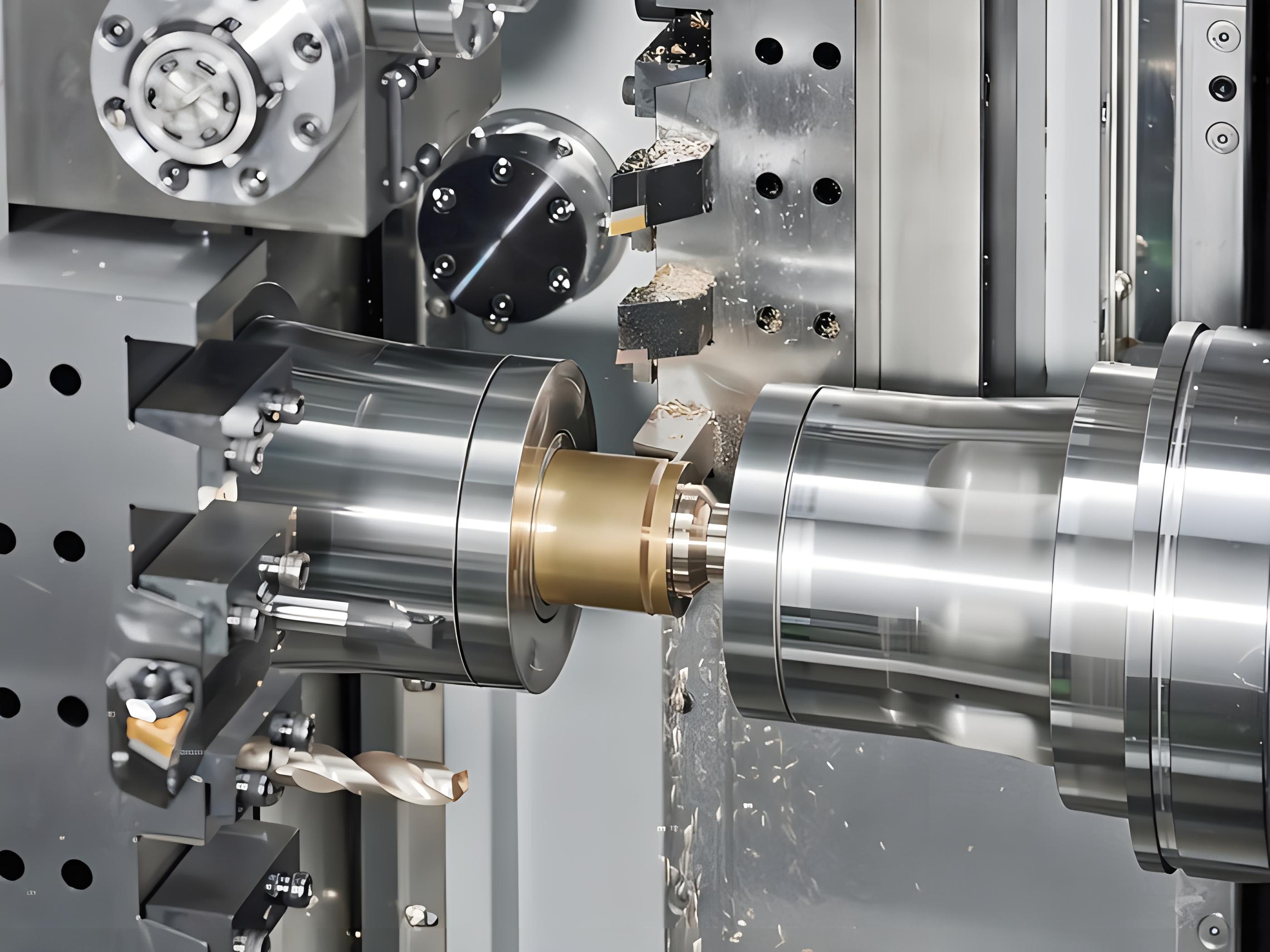
In modern manufacturing, Computer Numerical Control (CNC) turning has become an essential method of machining. In this blog, we will introduce the basic process and operational steps of CNC turning, along with discussing the influence of material selection on CNC turning. Our company, CGM, boasts advanced Precision CNC Turning equipment, including 30 automatic units and three five-axis CNC turning centers, enabling us to delve deeper into this subject.
Basic Process and Operational Steps of CNC Turning
CNC turning is a method of machining where a computer-controlled system maneuvers a cutting tool to remove material from a rotating workpiece. The basic process and operational steps are outlined below:
-
Workpiece Preparation: Firstly, select suitable raw materials and secure them onto the lathe. This step is crucial as the quality and fixing method of the workpiece directly impact machining precision and stability.
-
Programming: Utilize CAD/CAM software for programming, designing the machining paths, cutting trajectories, and machining parameters. Consideration must be given to factors such as geometric shapes, dimensional requirements, and material characteristics.
-
Tool Installation: Based on the machining paths and requirements, select appropriate cutting tools and install them onto the tool holder of the lathe.
-
Setting Parameters: Set machining parameters according to process requirements, including cutting speed, feed rate, and cutting depth. These parameters need to consider material hardness, cutting performance, and workpiece geometry.
-
Machining: Initiate the CNC lathe to commence workpiece machining. During the process, the system controls the movement trajectory of the cutting tool per the programmed instructions, achieving precise cutting operations.
-
Inspection: After machining, inspect the workpiece for quality, including dimensional accuracy and surface finish. If necessary, compensation or finishing operations may be performed to ensure the workpiece meets required quality standards.
-
Cleaning and Maintenance: Conduct cleaning and maintenance of the equipment to ensure normal operation and long-term stability.
Impact of Material Selection on CNC Turning
Material selection is a critical factor influencing the machining outcome of CNC turning. Different materials possess varying physical properties and machining performances. Therefore, several factors need consideration when selecting materials:
-
Hardness: Hardness is a crucial indicator of a material's resistance to cutting. Materials with higher hardness typically result in greater tool wear, necessitating higher cutting speeds and more wear-resistant tools for machining.
-
Machinability: Different materials exhibit different machinability characteristics. For instance, materials such as cast iron and aluminum alloys have good machinability, while stainless steel and titanium alloys present challenges. Material selection should consider the impact of machinability on tool wear and potential issues such as tool breakage.
-
Thermal Conductivity: Thermal conductivity affects a material's heat dissipation capability, playing a significant role in transferring and dissipating heat generated during machining. Generally, materials with higher thermal conductivity exhibit better heat dissipation, reducing thermal deformation and tool wear during machining.
-
Cost: Material cost is also a crucial consideration. High-performance specialty materials tend to be more expensive, whereas common materials offer relatively lower costs. Material selection should balance performance and cost considerations.
In conclusion, CNC turning is a high-precision, efficient machining method that demands strict requirements for material selection and machining processes. Choosing the right materials and adjusting machining parameters according to actual conditions can effectively enhance machining quality and productivity, presenting more opportunities and challenges for business development.
For further inquiries or to learn more about CNC turning technology or our company's equipment, feel free to visit our official website at www.linearguider.com or directly contact us. We are committed to providing dedicated service and support.

Workpiece materials Precision CNC Turning Services
Automation Precision CNC Turning