Exploring Ball Screw Actuator, Bearing Supports, and Leads: How They Work Together and Choosing the Right Accessories

In the world of precision machinery, understanding the components that drive performance is crucial. Among these components, the ball screw actuator, ball screw bearing support, and ball screw lead play significant roles. This article delves into how these elements work together and offers guidance on selecting the right accessories to enhance your system's efficiency.
What is a Ball Screw Actuator?
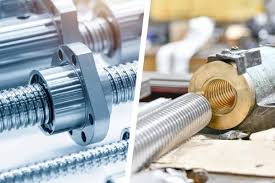
A ball screw actuator is a mechanical device that converts rotational motion into linear motion with high efficiency and precision. It utilizes a ball screw mechanism where ball bearings circulate between the screw shaft and the nut, reducing friction and providing smooth motion. Ball screw actuators are widely used in applications requiring precise positioning and repeatable movement, such as CNC machines, robotics, and aerospace equipment.
Understanding Ball Screw Bearing Support
Ball screw bearing supports are essential components that provide stability and support to the ball screw assembly. They are designed to handle both radial and axial loads, ensuring that the ball screw operates smoothly and accurately. Bearing supports are typically mounted at both ends of the ball screw, and they play a critical role in maintaining alignment, reducing vibration, and extending the lifespan of the ball screw actuator.

//www.linearguider.com/en/products.htmlThe Role of Ball Screw Lead
The ball screw lead refers to the distance the nut moves linearly in one revolution of the screw shaft. It is a fundamental parameter that determines the speed and resolution of the linear movement. A larger lead results in faster linear speed but lower force, while a smaller lead offers higher force and better positioning accuracy. Choosing the appropriate ball screw lead is essential for matching the actuator's performance to the application's requirements.
How They Work Together
The synergy between the ball screw actuator, bearing support, and lead is what makes high-precision linear motion possible. The ball screw actuator converts rotational motion from a motor into precise linear motion, guided by the ball screw lead, which defines the movement's speed and accuracy. The bearing supports ensure that the ball screw remains aligned and supported, reducing deflection and maintaining consistent performance under load.
By working together, these components deliver smooth, efficient, and accurate motion control, essential for applications where precision is paramount.
Choosing the Right Accessories
Selecting the right accessories for your ball screw system is crucial for optimal performance. Here are some factors to consider:
-
Load Requirements: Determine the axial and radial loads your application will encounter. This will influence the selection of the ball screw actuator's size, the robustness of the bearing supports, and the appropriate lead.
-
Speed and Accuracy: Consider the desired speed and positioning accuracy. A smaller ball screw lead offers higher precision but slower speeds, while a larger lead increases speed at the expense of accuracy.
-
Environmental Conditions: Assess the operating environment, including temperature, exposure to contaminants, and lubrication requirements. Choose materials and seals for the bearing supports and actuators that can withstand these conditions.
-
Mounting Configuration: Ensure that the bearing supports and actuators are compatible with your mounting setup. Proper alignment is essential to prevent undue stress and wear on the components.
-
Maintenance and Lifespan: High-quality components may have higher upfront costs but can offer longer service life and reduced maintenance needs. Consider the total cost of ownership when selecting accessories.
Understanding the interplay between the ball screw actuator, ball screw bearing support, and ball screw lead is key to optimizing your machinery's performance. By carefully selecting the right components and accessories, you can enhance precision, efficiency, and longevity in your applications. Whether you're upgrading existing equipment or designing a new system, paying attention to these critical elements will help you achieve the best possible results.
Understanding Ball Screw Nuts and the Difference Between Lead Screws and Ball Screws
Exploring Different Ball Screw Types and Their Applications


