Understanding Linear Bearings: Components and Working Principles

Linear bearings are essential in ensuring smooth, precise movement in industrial machines, robotics, and automation systems. These components allow for linear motion, reducing friction and wear while supporting significant loads. In this article, we will explore the main components of a linear bearing system, including linear bearing rail, linear bearing blocks, and linear bearing shafts, and how they work together to ensure optimal performance in industrial applications.
Linear Bearing Rail: The Backbone of Precision Motion
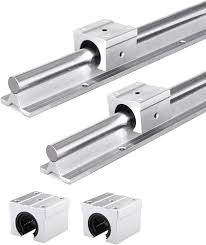
The linear bearing rail serves as the foundation for the entire linear bearing system. It provides the track or guide on which the linear bearing block moves. Rails are typically made from hardened steel or aluminum, ensuring durability and resistance to wear. The rail's precision is critical in maintaining smooth and accurate movement, especially in high-performance applications such as CNC machines, industrial robots, and automated assembly lines.
Q: Why is the material of a linear bearing rail important?
A: The material impacts the rail’s ability to withstand wear and support heavy loads. Hardened steel is ideal for applications requiring high durability, while aluminum is lighter and suitable for less demanding environments.
Linear Bearing Block: Supporting Load and Movement
The linear bearing block is the component that moves along the linear bearing rail. It houses the bearings that reduce friction and enable smooth, linear motion. Blocks can vary in size and load capacity depending on the specific application. High-precision machinery requires linear blocks that offer minimal deflection under load, ensuring accuracy during operations like cutting, drilling, or assembly in automation systems.

Q: What should I consider when selecting a linear bearing block?
A: Consider the load capacity, accuracy requirements, and environmental conditions. For heavier loads, opt for larger blocks that can distribute weight more effectively without sacrificing precision.
Linear Bearing Shaft: Ensuring Stability and Alignment
The linear bearing shaft works in tandem with the rail and block to ensure stability and alignment during motion. The shaft is a cylindrical rod that guides the block along its linear path. Shafts are commonly used in systems that require high stability, such as 3D printers, medical devices, and semiconductor manufacturing equipment. A well-designed linear shaft ensures that the block moves with minimal deviation, preserving the accuracy and efficiency of the machine.
Q: How does the length of the linear bearing shaft affect performance?
A: Longer shafts provide greater travel distances but may introduce flexing, which can reduce accuracy. Selecting the appropriate shaft length and diameter for your application is essential for maintaining optimal performance.
Applications and Customer Concerns
Linear bearings are widely used in industries such as automotive, aerospace, and manufacturing. They enable precise motion in robotic arms, conveyor belts, and packaging machines. Dongguan Gaozhi Transmission Co., Ltd. specializes in providing advanced linear bearing solutions for these industries, with a strong focus on innovation and reliability.
Q: How do I maintain linear bearings to extend their lifespan?
A: Regular lubrication is key to reducing friction and preventing wear. In addition, cleaning the rails and blocks to remove dust and debris will help maintain smooth operation.
Q: What are common signs that my linear bearing system needs replacement?
A: Signs include increased friction, noise during motion, visible wear on the rails or blocks, and reduced accuracy in movement.
Why Choose Dongguan Gaozhi Transmission Co., Ltd.?
As a leader in industrial robotics and automation, Dongguan Gaozhi Transmission Co., Ltd. offers high-quality linear bearing solutions, including precision-engineered linear bearing rails, blocks, and shafts. Their products are designed for longevity and optimal performance in even the most demanding industrial environments. With years of expertise and a commitment to innovation, Dongguan Gaozhi helps clients achieve efficient and precise automation solutions, making them a trusted partner in the industry.
In conclusion, understanding the components and working principles of linear bearings is crucial for optimizing your machinery's performance. Choosing the right rail, block, and shaft for your application can greatly improve accuracy, reduce maintenance needs, and ensure smooth operation in your industrial system.
Exploring the Advantages of Different Linear Bearing Brands
Understanding Laser Instrument for Measuring Distance: How Bosch GLM 40 Integrates with Our Linear Mechanical Modules


