
Choosing the Right 8mm Linear Bearing: Key Features and FAQs

Linear bearings are essential components in various industrial and precision applications. They ensure smooth motion, reduce friction, and provide stability to moving parts. Among the many types, the 8mm linear bearing, linear ball bearing, and linear guide bearing are particularly popular due to their versatility and durability. This article will explore these bearings in detail, along with addressing common concerns customers may have.
Understanding 8mm Linear Bearing
8mm linear bearings are a specific type of linear bearing designed to support motion along an 8mm shaft. These bearings are often used in applications that require smooth, low-friction motion in machinery, 3D printers, and CNC machines. They rely on a series of rolling balls within the bearing that minimize contact with the shaft, reducing wear and extending the lifespan of the bearing.
Key Benefits:
- Ideal for 8mm shafts, providing a snug and reliable fit.
- Low-friction operation, ensuring smooth motion.
- Suitable for high-precision applications.

Linear Ball Bearing
Linear ball bearings operate similarly to 8mm linear bearings but are available in various sizes to fit different shaft diameters. These bearings use balls that recirculate within the housing to provide low-resistance motion. They are commonly used in high-speed applications where precision is critical, such as in robotics, automation, and manufacturing.
Advantages of Linear Ball Bearings:
- Smooth and quiet operation.
- Capable of supporting heavy loads.
- Available in different sizes, allowing for flexibility in various projects.
Customer Question: Can linear ball bearings handle heavy loads?
Yes, linear ball bearings are designed to support heavy loads while maintaining smooth motion. However, it’s crucial to choose the correct size and type of bearing for your application to ensure optimal performance.
Linear Guide Bearing
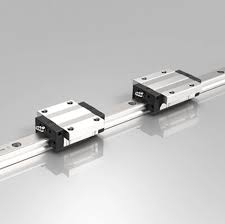
Linear guide bearings consist of a carriage that slides along a guide rail, offering greater load-bearing capacity and precise movement. These bearings are often used in applications where stability and accuracy are vital, such as in industrial automation and high-precision machinery. Unlike ball bearings, linear guide bearings can handle both radial and axial loads, making them ideal for complex systems.
Advantages of Linear Guide Bearings:
- Excellent stability, even under heavy loads.
- Highly accurate movement.
- Suitable for long-term use with minimal wear.
Customer Question: What is the difference between a linear ball bearing and a linear guide bearing?
The primary difference lies in the load capacity and application. Linear ball bearings are more suitable for lighter loads and high-speed applications, while linear guide bearings are better suited for heavy loads and precise, stable movement in larger systems.
How to Choose the Right Linear Bearing
When selecting the right linear bearing for your project, consider these factors:
-
Load Requirements: For lighter loads, linear ball bearings or 8mm linear bearings are suitable. For heavier loads, consider linear guide bearings.
-
Precision: If your project requires high precision, such as in CNC machining, linear ball bearings are the best choice for smooth, accurate motion.
-
Speed: For high-speed applications, opt for linear ball bearings, as they offer minimal resistance and allow for faster movement without compromising on performance.
-
Environmental Conditions: If your equipment operates in harsh or dirty environments, you may want to opt for linear guide bearings, as they are more robust and can withstand more challenging conditions.
Conclusion
Whether you’re choosing 8mm linear bearings, linear ball bearings, or linear guide bearings, understanding the specific needs of your application is key to making the right decision. By considering load requirements, precision, speed, and environmental factors, you can select a bearing that will ensure reliable performance, longevity, and efficiency. Addressing common customer questions, such as load-bearing capacity and speed requirements, will also guide you in making the best choice for your project.
Understanding Linear Motion Bearing: Types, Working Principles, and How to Choose the Right One
Exploring the Advantages of Different Linear Bearing Brands


