Understanding Linear Motion Guide: Key Concepts and Applications

Linear motion guide are essential components in various mechanical systems, allowing smooth and precise movement along a defined path. They play a critical role in automation, robotics, and manufacturing processes. In this article, we will explore the principles behind linear motion guides, how they differ from circular motion, and address some common customer questions.
What is a Linear Motion Guide?
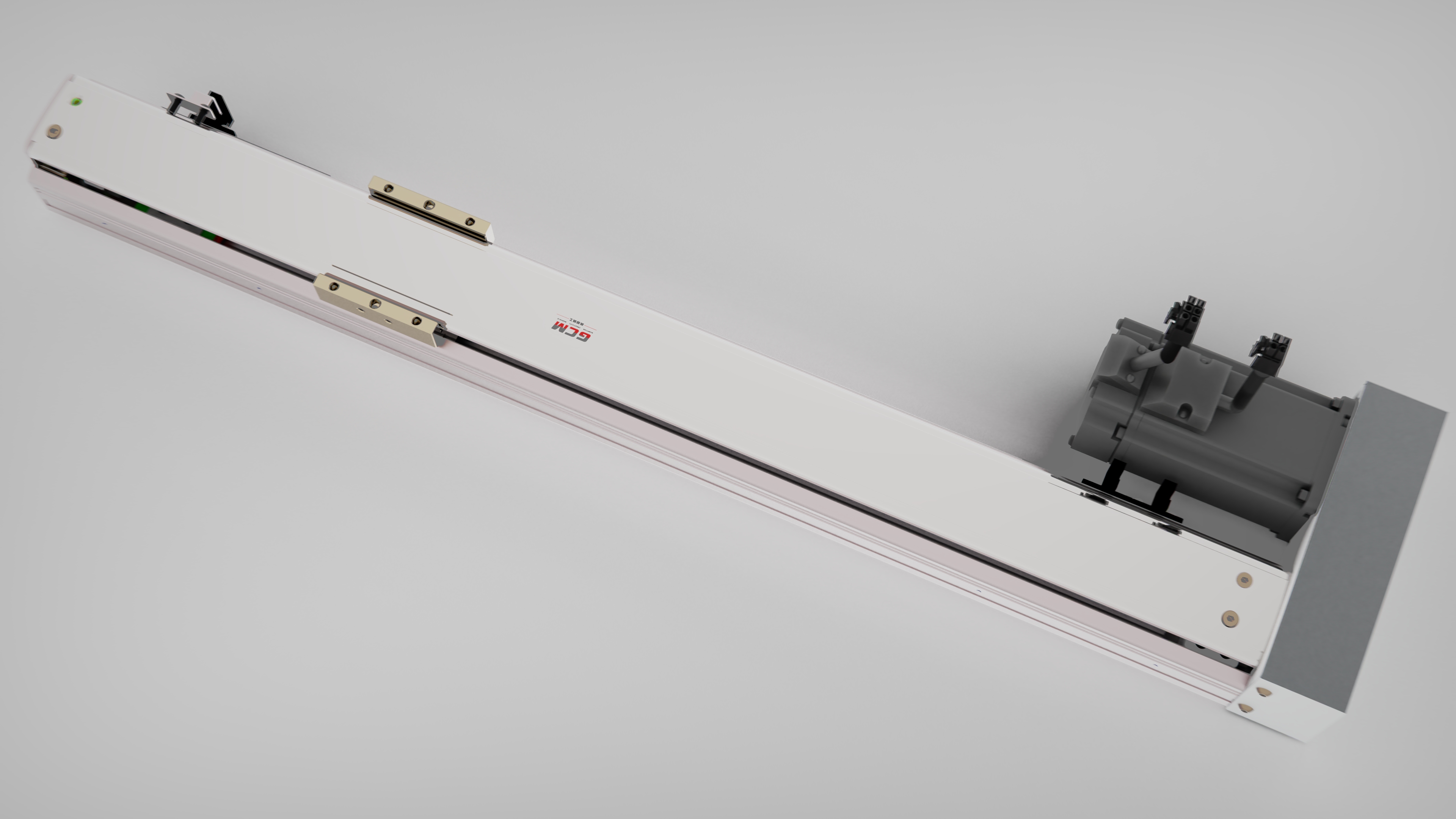
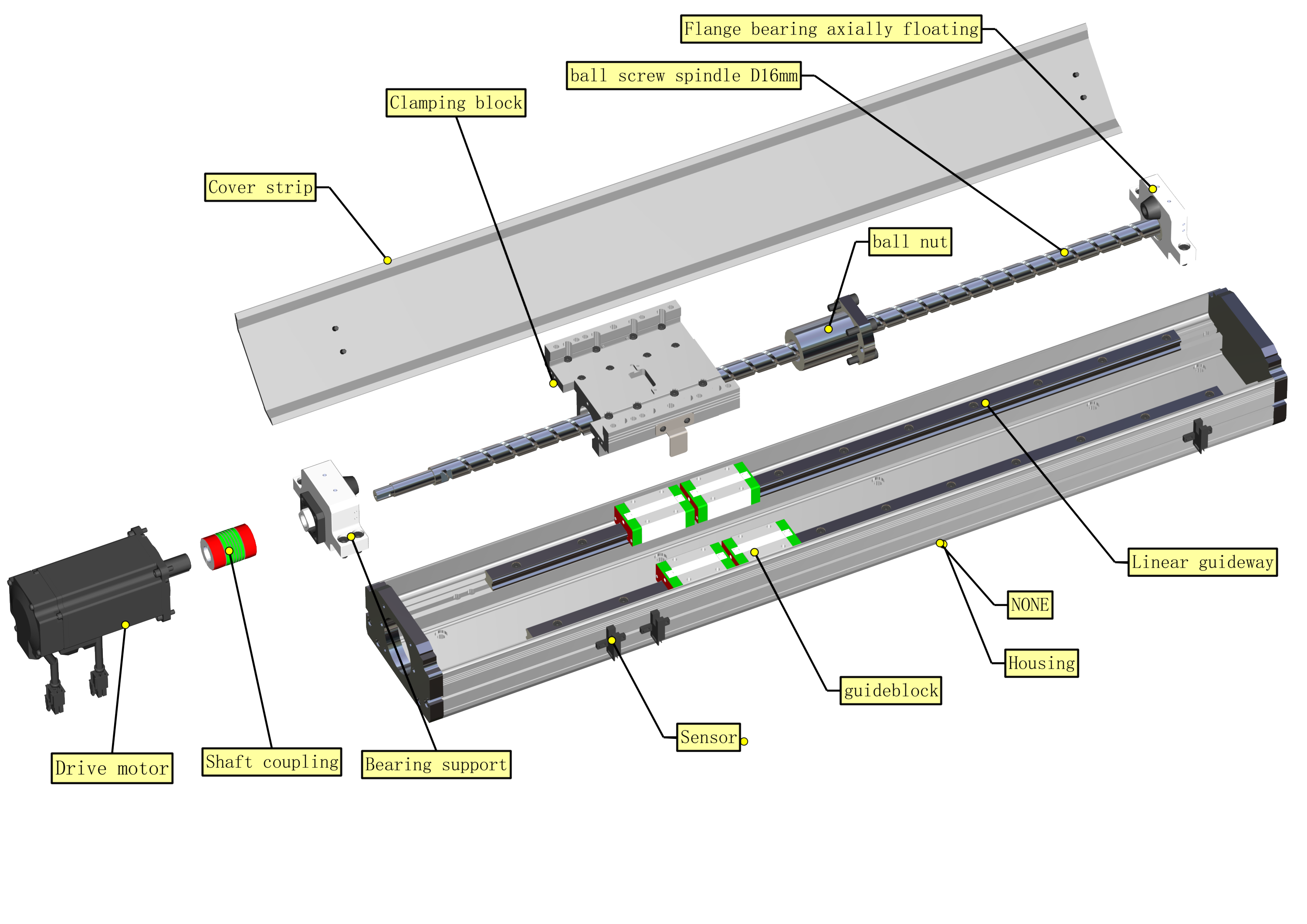
A linear motion guide, also known as a linear guide or linear bearing, is a mechanical system that enables linear movement with minimal friction. It typically consists of a rail and a sliding block that moves along the rail. This design allows for precise and consistent motion, making linear guides ideal for applications such as CNC machines, robotics, and conveyor systems.
Linear Motion and Circular Motion
Understanding the distinction between linear motion and circular motion is fundamental in engineering and physics. Linear motion refers to movement along a straight path, where an object travels from one point to another in a straight line. Circular motion, on the other hand, involves movement along a curved path, such as the motion of a wheel or a planet orbiting the sun.
Difference Between Uniform Linear Motion and Uniform Circular Motion
-
Uniform Linear Motion: In uniform linear motion, an object moves at a constant speed in a straight line. The distance covered over equal intervals of time remains the same. For instance, a car driving at a steady speed on a straight road exemplifies uniform linear motion. This type of motion is characterized by the absence of acceleration.
-
Uniform Circular Motion: In contrast, uniform circular motion occurs when an object moves along a circular path at a constant speed. While the speed remains constant, the direction of the object changes continuously, resulting in acceleration towards the center of the circle. An example of this is a satellite orbiting the Earth.
Common Customer Questions
Question: What are the advantages of using linear motion guides?
Answer: Linear motion guides provide several benefits, including high accuracy, low friction, and the ability to handle heavy loads. They ensure smooth operation and reduce wear on machinery, ultimately enhancing efficiency and prolonging equipment life.
Question: How do I choose the right linear motion guide for my application?
Answer: When selecting a linear motion guide, consider factors such as load capacity, required precision, and the environment in which the guide will operate. Heavy-duty applications may require robust guides, while precision applications may benefit from high-tolerance guides.
Question: Can linear motion guides be used in circular motion applications?
Answer: While linear motion guides are primarily designed for straight-line movement, they can be integrated into systems that involve circular motion. For instance, a linear motion guide can be used to move components that pivot around a circular path.
Conclusion
Linear motion guides are crucial for ensuring precise and efficient movement in various applications. Understanding the difference between linear motion and circular motion, as well as the characteristics of uniform linear and circular motion, is essential for optimizing the design and functionality of mechanical systems. By addressing common customer questions, we hope to provide clarity on how to effectively choose and implement linear motion guides in your projects.
How to Choose the Right Linear Guide Rail and Heavy Duty Linear Guide Rails
Understanding Linear Motion Bearing: Types, Working Principles, and How to Choose the Right One


