Understanding Linear Induction Motors: Construction of linear induction motor and application of linear induction motor

Linear induction motors (LIMs) are a type of electric motor that produce linear motion instead of rotational motion. They have gained popularity in various applications, including transportation, automation, and industrial machinery. In this article, we will explore the construction of linear induction motor, their applications, and answer some common questions regarding their use.
Construction of Linear Induction Motor and common uses in various industries
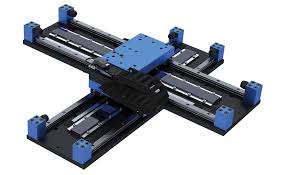
The basic structure of a linear induction motor consists of two main components: the primary (stator) and the secondary (rotor). The primary is made up of coils that generate a magnetic field when an alternating current passes through them. This magnetic field interacts with the secondary, which is typically a conductive metal plate.
-
Stator: The stator is designed with a series of windings that create a traveling magnetic field. The arrangement of these windings determines the motor’s performance characteristics. LIMs can be constructed in various configurations, such as flat or tubular, depending on the specific application requirements.
-
Rotor: The secondary component can be a simple conductive plate or a more complex structure designed to enhance efficiency. When the magnetic field from the stator interacts with the rotor, it induces currents in the rotor, creating a magnetic force that propels it forward.
-
Control Systems: Linear induction motors often incorporate advanced control systems that manage the speed and direction of movement. These systems allow for precise control, making LIMs suitable for applications requiring high accuracy.
Applications of Linear Induction Motors
Linear induction motors are widely used across different industries due to their ability to provide smooth and efficient linear motion. Some common applications include:
-
Transportation Systems: LIMs are extensively used in maglev trains, where they provide high-speed transportation with minimal friction. The absence of physical contact between the train and the track enhances efficiency and reduces maintenance costs.
-
Industrial Automation: In manufacturing settings, LIMs are employed for automated material handling systems, such as conveyor belts and assembly lines. Their precise motion control helps streamline operations and improve productivity.
-
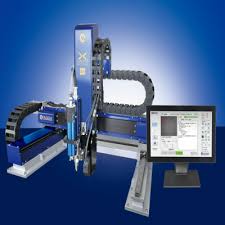
Robotics: Linear induction motors play a vital role in robotic systems, enabling accurate movement and positioning of robotic arms. They are particularly useful in applications requiring high speed and precision.
-
Elevators and Escalators: LIMs are also found in modern elevators and escalators, providing smooth and reliable movement. Their design reduces the need for traditional cables and pulleys, leading to lower maintenance costs.
Common Questions and Answers
-
What are the advantages of linear induction motors?
- Linear induction motors offer several benefits, including high efficiency, low maintenance, and the ability to achieve high speeds. Their simple design and lack of moving parts reduce wear and tear.
-
Are linear induction motors suitable for all applications?
- While LIMs are highly versatile, they may not be suitable for every application. Factors such as load requirements, speed, and environment should be considered when selecting a motor type.
-
How do linear induction motors compare to traditional motors?
- Unlike traditional rotary motors, which convert electrical energy into rotational motion, linear induction motors provide direct linear motion. This makes them ideal for applications that require straight-line movement.
-
What is the future of linear induction motors?
- As industries continue to evolve, the demand for efficient and precise motion solutions will likely increase. Linear induction motors are expected to play a significant role in advancements in transportation, automation, and robotics.
Understanding the construction and applications of linear induction motors is essential for leveraging their advantages in various industries. As technology progresses, these motors will continue to be integral in achieving efficient and precise motion solutions. Whether in transportation, automation, or robotics, linear induction motors offer innovative solutions to meet the demands of modern industry.
Understanding Robotic Arms: 3 DOF, 4 DOF, 5 DOF, and 6 DOF Robotic Arm
Exploring Linear Motion Guides: Key Concepts and Applications


