
The Difference Between Automation and Robotics: Understanding Their Engineering Scope

Difference Between Automation and Robotics:In modern industry, the terms automation and robotics are often used interchangeably, but they have significant distinctions. While both involve the integration of technology and engineering to improve productivity, their focus and application areas differ. Understanding these differences is essential for choosing the right engineering solutions.
Difference Between Automation and Robotics:What is Robotics and Automation Engineering?
Robotics and automation engineering is a multidisciplinary field that combines mechanical design, electronics, computer programming, and control systems. It involves not only the design and development of automated systems but also the creation of autonomous robots capable of performing complex tasks. Engineers in this field are typically dedicated to designing and developing systems that enhance manufacturing efficiency, reduce manual intervention, and ensure product quality.

Automation focuses on using machines and control systems to complete specific tasks. It is primarily employed to streamline repetitive workflows, such as assembly and inspection on a manufacturing line. The goal of automation is to increase efficiency by reducing human intervention and improving consistency.
On the other hand, robotics involves the design and construction of autonomous or semi-autonomous machines that can perform specific tasks. These machines can range from simple robotic arms used for welding or painting to complex mobile robots used in precision medical surgery.
Key Differences Between Automation and Robotics
Although there is overlap between automation and robotics, they differ in several key areas:
-
Scope and Applications: Automation is usually limited to machine systems designed to perform repetitive tasks and is mainly used to improve production efficiency. Robotics encompasses not only automated systems but also involves designing sophisticated machines that can operate in dynamic environments, such as autonomous vehicles or surgical robots.
-
Autonomy: Automated systems typically follow pre-programmed processes and require minimal human intervention. In contrast, robotics focuses on the ability of machines to make autonomous decisions, involving perception, reasoning, and action integration, allowing robots to adapt to changes in their surroundings.
-
Complexity and Flexibility: Robotics is more complex than automation as it deals with the machine's perception and decision-making processes. For instance, industrial robots can perform various tasks, whereas automated systems are often designed for specific processes.
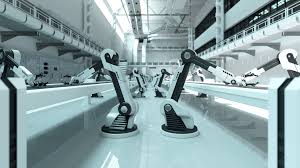
Applications and Future Scope of Robotics and Automation Engineering scope
The future of robotics and automation engineering is promising, with applications spanning from manufacturing to healthcare, agriculture to military. The demand for automation technology is growing rapidly with the advent of smart manufacturing and Industry 4.0.
- Manufacturing: Automated equipment and robots are widely used in production lines, enhancing efficiency and product consistency while lowering labor costs.
- Healthcare: Robotic surgery and automated diagnostic tools are transforming healthcare services, with robots capable of performing high-precision minimally invasive surgeries, reducing patient recovery time.
- Agriculture: Robotic technology can increase agricultural productivity through automated planting, harvesting, and pest monitoring.
- Service Industry: In customer service and warehouse management, automation and robotic systems can handle complex tasks like packaging, transportation, and inventory management.
As technology advances and applications expand, the field of robotics and automation engineering will continue to grow, shaping the global economy in profound ways.
Advancing Automation: Robotic Arm Projects and Rotary Indexing Table Solutions
Circular vs. Linear Motion: Key Differences in Robotics and Automation


