What a Servo Drive is? Understanding AC Servo Drives and HSN Code

Servo drives play a critical role in the field of automation and motion control, enabling precise movement and speed control in a wide range of applications. But what is a servo drive exactly, and how does it function? In this article, we will delve into the basics of servo drives, with a particular focus on AC servo drives and the significance of the servo drive HSN code.
What is a Servo Drive?
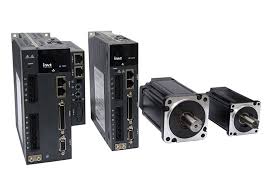
A servo drive is a device used to control the motion of servo motors in automated systems. It receives commands from a control system, such as a computer or PLC (Programmable Logic Controller), and sends electrical signals to the servo motor, directing its movement. The servo drive constantly adjusts the motor's speed, position, and torque to match the desired motion profiles, ensuring precise control of mechanical systems.
Servo drives can work with different types of motors, including AC, DC, and stepper motors, but AC servo drives are widely used in industrial automation due to their efficiency, accuracy, and smooth operation.

How Does an AC Servo Drive Work?
An AC servo drive controls the operation of an AC servo motor by adjusting the voltage and current supplied to the motor. Here’s a breakdown of how it works:
- Receiving Input Commands: The servo drive receives commands from the control system, specifying how the motor should move, including its speed, direction, and position.
- Feedback Monitoring: It uses feedback from an encoder or resolver attached to the motor to monitor the motor’s actual position and speed.
- Error Correction: The drive compares the actual position and speed with the commanded values and makes adjustments to reduce any difference (known as the "error"), ensuring the motor operates as intended.
- Output Adjustment: By varying the voltage and current, the servo drive controls the torque and speed of the motor, making it ideal for applications requiring high precision.
Importance of the Servo Drive HSN Code
The HSN (Harmonized System of Nomenclature) code is a standardized classification used for goods in international trade. The servo drive HSN code helps categorize these products correctly for customs duties, taxes, and regulatory purposes. This classification facilitates seamless trade and compliance with global standards.
For servo drives, the HSN code falls under the electrical machinery and equipment category. The specific code may vary depending on the exact specifications of the servo drive, such as whether it's designed for industrial machinery or other types of equipment.
Applications of Servo Drives
Servo drives are essential components in various industries, including:
- Industrial Automation: Used in robotic arms, CNC machines, and conveyor systems for precise control.
- Medical Equipment: Assist in controlling surgical robots and diagnostic devices.
- Automotive Manufacturing: Provide accurate control for assembly lines, welding, and painting robots.
- Renewable Energy: Play a role in adjusting the orientation of solar panels and controlling wind turbine blades for optimal energy production.
Choosing the Right AC Servo Drive
When selecting an AC servo drive, consider factors such as:
- Power Requirements: Ensure the drive can handle the voltage and current needed for your motor.
- Control Features: Look for advanced options like torque control, position control, or velocity control.
- Compatibility: Make sure the drive is compatible with your motor's specifications and the control system being used.
In conclusion, understanding what a servo drive is and the significance of AC servo drives is crucial for anyone involved in automation or motion control. The knowledge of HSN codes further simplifies trade and compliance in the global market.
Exploring Robotics and Automation Engineering: Scope, Pneumatic Rotary Actuators, and 4th Axis Rotary Tables
Choosing the Best Servo Drive: Inovance Servo Drive, Delta, Siemens, and DongGao Gaozhi


