Exploring Robotics and Automation Engineering: Scope, Pneumatic Rotary Actuators, and 4th Axis Rotary Tables

The field of robotics and automation engineering is rapidly expanding, offering numerous opportunities for innovation and career growth. With advancements in technology, the use of components like pneumatic rotary actuators and 4th axis rotary tables has become increasingly significant in various industries. This article delves into the scope of robotics and automation engineering, highlighting how these components contribute to modern automation solutions.
Scope of Robotics and Automation Engineering
The scope of robotics and automation engineering encompasses the design, development, and implementation of robotic systems and automation processes in a wide range of industries. This engineering field plays a crucial role in manufacturing, healthcare, logistics, automotive, aerospace, and even consumer products. Robotics and automation help optimize processes, increase efficiency, and reduce human error in repetitive or hazardous tasks.
Key areas within the scope of robotics and automation engineering include:
- Industrial Automation: Automating manufacturing processes using robotic arms, CNC machines, and automated assembly lines.
- Medical Robotics: Developing surgical robots, rehabilitation devices, and diagnostic equipment.
- Logistics and Supply Chain: Using automated guided vehicles (AGVs) and robotic sorting systems for warehouse management and delivery services.
- Research and Development: Innovating new robotics technologies for specific tasks, such as agricultural automation and space exploration.
As industries continue to embrace automation, the demand for skilled engineers in robotics and automation is on the rise, creating numerous job opportunities and avenues for research.
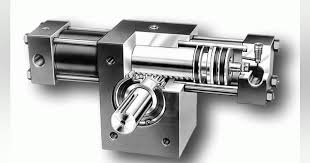
The Role of Pneumatic Rotary Actuator in Automation
A pneumatic rotary actuator is a mechanical device that converts the energy of compressed air into rotary motion. It is commonly used in automation systems where controlled rotational movement is required. Pneumatic rotary actuators are known for their simplicity, reliability, and cost-effectiveness, making them ideal for various industrial applications, including:
- Packaging machinery: Providing rotational movement for labeling and packaging tasks.
- Material handling: Assisting in the positioning of products on conveyor belts or rotating workpieces for machining.
- Robotic joints: Enabling controlled rotation in certain types of robotic arms.
The benefits of pneumatic rotary actuators include their ability to deliver high torque output, compact design, and ease of maintenance. They are often preferred in applications where electrical actuators might be less suitable due to harsh environmental conditions.
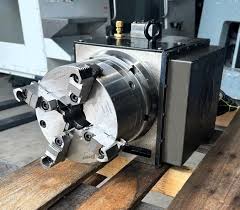
Enhancing Automation with 4th Axis Rotary Table
A 4th axis rotary table adds rotational capabilities to CNC machines, enabling them to perform complex operations that require multiple axes of motion. By introducing an additional axis, these tables allow for greater flexibility in machining tasks, such as:
- Creating complex contours and shapes: Used in the aerospace and automotive industries for machining parts with intricate geometries.
- Milling multi-sided objects: Facilitates efficient machining of workpieces without the need for frequent repositioning.
- Enhancing accuracy in engraving and cutting: Ensures precise results in tasks like engraving curved surfaces or cutting spiral grooves.
Integrating a 4th axis rotary table into an existing CNC setup can significantly improve the efficiency and quality of machining operations, making it a valuable component for manufacturers seeking to enhance their automation capabilities.
Conclusion
The scope of robotics and automation engineering is vast, encompassing various sectors and offering numerous career opportunities. The use of pneumatic rotary actuators and 4th axis rotary tables demonstrates how specific components can optimize industrial automation processes. As the field continues to evolve, these technologies will play an even more crucial role in advancing automation and robotics engineering, shaping the future of various industries.
Choosing the Best Servo Drives: Mitsubishi Servo Drive, Baumuller, Xinje, and DongGao Gaozhi
What a Servo Drive is? Understanding AC Servo Drives and HSN Code


