Choosing the Right Servo Motor: Mini Servo Motor vs. High Torque and Comparison with Stepper Motors
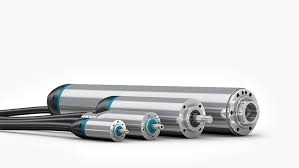
Servo motors are essential components in various automation, robotics, and hobby projects due to their precision and reliability. They come in different sizes and power ratings, such as mini servo motor and high torque servo motors, catering to different needs. Understanding these types, as well as how they compare to stepper motors, will help you choose the right motor for your application.
Mini Servo Motor
Mini servo motors are compact, lightweight, and ideal for small-scale projects or limited-space applications. Here are some of their key features:
- Size and Weight: As the name suggests, mini servo motors are smaller and lighter compared to standard or large servo motors, making them suitable for projects with space constraints, such as small robotics, drones, or RC vehicles.
- Power: Although mini servo motors are less powerful than their larger counterparts, they still offer precise control over movements in lightweight applications.
- Use Cases: Commonly used in small robotic arms, model airplanes, and other hobbyist projects where space and weight are a concern.
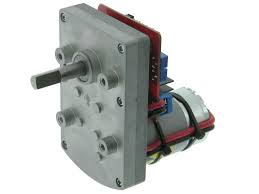
High Torque Servo Motor
High torque servo motors are designed to deliver more power and are suitable for demanding applications that require significant force. Here are their main characteristics:
- Strength: High torque servo motors provide a higher torque output, allowing them to move larger and heavier loads with ease.
- Durability: These motors are often built with robust materials to withstand demanding conditions, making them suitable for industrial automation and heavy-duty robotics.
- Applications: Ideal for tasks such as operating large robotic arms, lifting mechanisms, and other heavy-duty applications that require precise control and high torque.
Servo Motor vs Stepper Motor
While both servo motors and stepper motors are used for positioning and movement control, they differ in several key ways:
-
Control Mechanism: Stepper motors operate by moving in fixed steps, which allows for straightforward positioning without feedback. However, this can result in inaccuracy if the motor loses steps. Servo motors, on the other hand, use a feedback loop (often with an encoder) to continuously monitor and adjust their position, ensuring greater accuracy.
-
Torque and Speed: Servo motors excel at providing high torque even at higher speeds, making them ideal for dynamic applications. In contrast, stepper motors can lose torque at higher speeds, limiting their suitability for high-speed tasks.
-
Precision: Servo motors offer greater precision due to their feedback systems, which can correct errors in real time. Stepper motors, while precise in lower speed applications, can struggle with accuracy at high speeds or when subjected to varying loads.
-
Cost and Complexity: Stepper motors are typically more affordable and easier to set up because they don't require feedback systems. Servo motors are more expensive due to their additional components, but they offer better performance in terms of speed and torque.

Choosing Between Mini, High Torque Servo Motors, and Stepper Motors
To select the right motor for your project, consider the following factors:
-
Project Size and Space Limitations: If you’re working with a small project or tight space, a mini servo motor is likely the best option. For larger projects that require more force, a high torque servo motor will be a better fit.
-
Load Requirements: If your application involves moving heavy loads, opt for a high torque servo motor. For lighter loads, a mini servo motor will suffice.
-
Budget: If you're cost-sensitive, stepper motors might be the better option, but keep in mind that they may not offer the same level of accuracy as servo motors.
-
Precision Needs: If your project demands high precision and real-time error correction, a servo motor is the preferred choice.
Conclusion
When choosing between mini servo motors, high torque servo motors, and stepper motors, understanding the unique advantages and limitations of each type will help you make the best decision for your application. Servo motors offer versatility, whether you're looking for a compact solution or a powerful high-torque motor. By considering the needs of your project, you can select the right motor to ensure optimal performance.
Understanding Types of Servo Motor and How They Differ from Stepper Motors
Choosing the Best Servo Drives: Mitsubishi Servo Drive, Baumuller, Xinje, and DongGao Gaozhi


