Understanding Servo Motor Gearbox: Cost, Differences, and Applications

Servo motors are essential components in automation and robotics, offering precise control over position, speed, and torque. A key element in enhancing their performance is the use of servo motor gearbox, which adjust the motor’s output to match application requirements. Understanding the factors that affect servo motor cost, as well as the differences between servo motors and induction motors, helps in choosing the right solution.
What is a Servo Motor Gearbox?
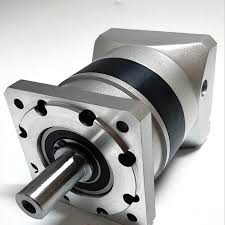
A servo motor gearbox is a mechanical component used to modify the torque and speed output of a servo motor. It consists of gears that reduce the motor's speed while increasing torque, allowing for greater control and precision in applications. Gearboxes come in various types, such as planetary and spur, each suited for different tasks.
Servo motor gearboxes are commonly used in:
- Robotic arms for precise movements.
- Conveyor systems where high torque is needed.
- CNC machines for detailed control over tool positioning.

Difference Between Servo Motor and Induction Motor
Choosing between a servo motor and an induction motor depends on several factors, including precision requirements, cost considerations, and application needs. Here are the main differences:
-
Control and Precision:
Servo motors are designed for applications requiring precise control over position, speed, and acceleration. They include feedback mechanisms like encoders or resolvers to continuously monitor and adjust the motor's operation. Induction motors, on the other hand, operate without feedback and are typically used in applications where precision is not a priority. -
Torque Characteristics:
Servo motors provide consistent torque across various speeds, making them ideal for robotics and automation tasks that require fine-tuned motion control. In contrast, induction motors may experience fluctuations in torque, especially at lower speeds. -
Cost Differences:
Servo motor cost is generally higher than that of induction motors due to the complex components involved, such as sensors, controllers, and gearboxes. However, the added expense is often justified by the superior performance in precision applications. Induction motors are more affordable and cost-effective for simple tasks like powering fans, pumps, or other equipment where high precision is not needed. -
Maintenance Requirements:
Since servo motors include intricate components, they may require more regular maintenance compared to induction motors. However, the gearboxes used with servo motors are typically designed to be durable and long-lasting, reducing overall maintenance costs.
Factors Influencing Servo Motor Cost
When evaluating the cost of servo motors, several factors come into play:
- Motor Size and Power Rating: Larger and more powerful servo motors are typically more expensive.
- Gearbox Type: High-quality gearboxes, such as planetary gearboxes, may add to the cost but provide better performance.
- Feedback System: The inclusion of high-precision encoders or resolvers increases the motor's cost.
- Customization Needs: Custom-built servo motors designed for specific applications will naturally be more expensive than standard models.
Applications of Servo Motor Gearboxes
Servo motor gearboxes find use in various industries, including:
- Automotive Manufacturing: For precise assembly line tasks.
- Aerospace: In flight simulators and actuators requiring detailed control.
- Medical Devices: For robotic surgery equipment that demands high precision.
FAQs
1. Can a servo motor replace an induction motor?
Yes, servo motors can replace induction motors in applications where high precision and control are needed, though it may come at a higher cost.
2. What factors affect the choice of gearbox for a servo motor?
The choice of gearbox depends on the required torque, speed reduction, and the application's precision needs.
3. Are there budget-friendly options for servo motors?
While servo motors are generally more expensive, cost-effective models are available that balance performance and price.
By understanding the role of servo motor gearboxes, the differences between servo and induction motors, and the factors affecting servo motor cost, you can make informed decisions when selecting the right motor for your automation needs. Whether it’s for robotics, manufacturing, or medical applications, servo motors offer the precision and control necessary to enhance system performance.
Understanding DC Servo Motor: Working Principles and Differences from AC Motors
Choosing the Right Automation Systems and Robotics Solutions


