
Exploring M Tech in Automation and Robotics: The Role of Rotary Tables and Electric Actuators

Pursuing an M Tech in Automation and Robotics opens up a world of possibilities, with technologies like rotary tables and electric actuators playing a pivotal role in shaping the future of industrial automation. In this article, we'll explore the significance of these components in automation and how they contribute to advancements in robotics.
What is M Tech in Automation and Robotics?
An M Tech in Automation and Robotics is a postgraduate program that focuses on the design, development, and application of robotic systems and automated processes. The course equips students with the skills needed to create sophisticated machines that can perform tasks with high precision and efficiency. Graduates often find opportunities in industries such as manufacturing, aerospace, healthcare, and automotive engineering.
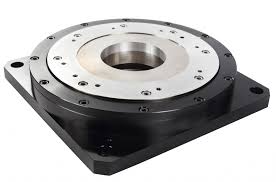
The Importance of Rotary Table in Automation
A rotary table is a key component in various automation systems. It allows for precise rotational movement, which is essential in CNC machining, robotic arms, and other automated processes. Key benefits of rotary tables include:
- High Precision: Rotary tables enable accurate positioning of workpieces, allowing for complex machining and multi-axis operations.
- Enhanced Productivity: By enabling automated rotation, rotary tables reduce the need for manual intervention, speeding up production cycles.
- Versatility: They are suitable for various applications, including welding, inspection, and assembly tasks.
In automation and robotics, rotary tables are crucial for positioning and movement control, helping to achieve the exact specifications required in automated systems.
Electric Rotary Actuator: Adding Flexibility to Automation
An electric rotary actuator converts electrical energy into rotational motion, offering a high degree of control and flexibility in automated systems. These actuators are commonly used in applications where precise rotation and positioning are required, such as:
- Robotic Arms: Electric rotary actuators allow robotic arms to achieve smooth and controlled movements.
- Material Handling: In automation systems, they help in the precise handling and placement of objects, making processes more efficient.
- Automated Testing: They provide accurate rotational control for testing components in different orientations.
Compared to traditional hydraulic or pneumatic actuators, electric rotary actuators offer better energy efficiency and easier integration with modern digital control systems.
Combining Rotary Tables and Electric Actuators in Robotics
In the field of automation and robotics, the integration of rotary tables and electric actuators can significantly enhance the capabilities of robotic systems. Here’s how they complement each other:
- Multi-Axis Movement: Rotary tables provide the necessary rotation, while electric actuators can be used to control other axes, resulting in complex multi-axis robotic systems.
- Precision and Speed: Combining these components ensures that robots can perform tasks quickly and accurately, which is essential for high-speed manufacturing environments.
- Customization: The flexibility of electric actuators allows for fine-tuning of movements, while rotary tables offer stable rotational positioning, making it easier to customize automation processes for specific tasks.

Frequently Asked Questions
1. What career opportunities are available after completing an M.Tech in Automation and Robotics?
Graduates can pursue roles in industrial automation, robotic system design, machine learning for robotics, and research and development in automation technologies.
2. Why are rotary tables used in automation?
Rotary tables are used for precise positioning and rotational control, which are essential for automated tasks such as machining, inspection, and robotic movement.
3. How do electric rotary actuators compare to other types of actuators?
Electric rotary actuators offer better energy efficiency, precise control, and easy integration with digital systems compared to hydraulic or pneumatic actuators.
In conclusion, pursuing an M.Tech in Automation and Robotics can open doors to advanced technological fields where components like rotary tables and electric rotary actuators play a critical role. These devices are indispensable in the world of automation, enabling complex movements and precise control essential for modern industry applications.
Choosing the Best Rotary Table: Ucam Rotary Table, Nikken, Detron, and DongGuan Gaozhi
Understanding DC Servo Motor: Working Principles and Differences from AC Motors


