
Enhancing PCB Surface Finish and Plating Efficiency with Advanced Rectifiers and Motion Sensor Controllers

In the world of electronics manufacturing, PCB surface finish plays a critical role in ensuring the durability and performance of printed circuit boards. Along with the plating rectifiers used in the electroplating process, these components ensure a smooth, reliable finish and the right level of conductivity. Meanwhile, motion sensor controllers are becoming increasingly important in modern automated systems, enhancing the accuracy and precision of the plating and manufacturing processes.
This article will explore the importance of PCB surface finishes, how plating rectifiers contribute to quality, and the role of motion sensor controllers in modern manufacturing environments.
The Importance of PCB Surface Finish
The PCB surface finish is a vital aspect of the overall manufacturing process, serving as the final layer applied to the exposed copper circuitry of a PCB. The choice of surface finish impacts everything from solderability to corrosion resistance, which ultimately affects the board's reliability and lifespan. Common types of PCB finishes include HASL (Hot Air Solder Leveling), ENIG (Electroless Nickel Immersion Gold), and OSP (Organic Solderability Preservative).
Choosing the right surface finish depends on the specific needs of the electronic device. For instance, ENIG is popular for its excellent flatness and long-term protection, making it suitable for high-reliability applications such as aerospace and automotive industries. On the other hand, HASL is widely used due to its cost-effectiveness.
The Role of Plating Rectifiers in Electroplating
Plating rectifiers are essential in the electroplating process, which is commonly used to apply a metal coating to PCB surfaces. A rectifier converts AC power to DC power, ensuring a stable and controlled current flow during electroplating. This precise control of the current is crucial in achieving uniform plating thickness, which is critical to the board's overall performance.
High-quality plating rectifiers contribute to better conductivity and reduce the chances of short circuits on the board, helping manufacturers meet the stringent quality standards required for today's electronic devices. Without proper rectification, the plating process could result in uneven layers, poor adhesion, and compromised electrical connections.
Improving Precision with Motion Sensor Controller
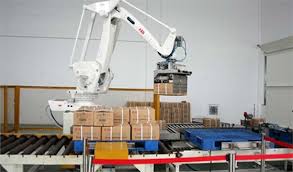
In automated manufacturing, motion sensor controllers play an essential role in ensuring that all processes, including electroplating, are executed with high precision. Motion sensor controllers are used to track and regulate movement in machines, ensuring that robotic arms or plating baths move smoothly and accurately during the plating process.

These controllers can precisely control positioning and timing, improving overall efficiency and ensuring consistent quality. For instance, when applying a PCB surface finish or conducting an electroplating process, even minor variations in speed or position can lead to defects. Motion sensor controllers mitigate these risks by providing accurate feedback and control, allowing manufacturers to achieve high-precision results.
The combination of PCB surface finishes, plating rectifiers, and motion sensor controllers is essential for high-quality electronics manufacturing. PCB surface finishes ensure the board’s longevity and performance, plating rectifiers provide a smooth, even metal layer, and motion sensor controllers bring precision and accuracy to the process. By optimizing each component of the manufacturing process, electronics manufacturers can produce superior PCBs with higher reliability and functionality.
Mastering Motion Control: The Power of Stepper Motors
Automating PCB Pattern Plating with Robotic Arms Project and Gold Plating Technology


