
How to Choose and Buy Robotic Arm

Investing in a robotic arm is a crucial step for companies looking to automate processes, improve efficiency, and reduce manual labor. Robotic arms, particularly pick and place robotic arms, have become essential in industries like manufacturing, logistics, and assembly lines. However, choosing the right robotic arm can be overwhelming due to the various features, motors, and capabilities available. This article will guide you through selecting the ideal robotic arm for your needs, covering the important aspects to consider before you bu robotic arm.
Understanding the Purpose of Your Robotic Arm
Before making any purchase, you need to identify the primary tasks that the robotic arm will perform. A pick and place robotic arm is designed specifically to handle repetitive actions, such as moving items from one place to another with precision. This type of arm is ideal for applications like packaging, sorting, and light assembly. On the other hand, if your application involves welding, painting, or more complex movements, you might need a robotic arm with more advanced motors and control systems.

Choosing the Right Robot Arm Motor
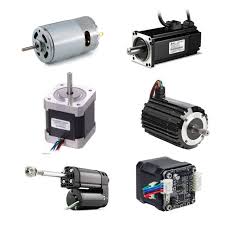
The heart of any robotic arm is the motor that powers it. The robot arm motor determines the speed, precision, and load-carrying capacity of the arm. Motors can be categorized into servo motors, stepper motors, and DC motors, each offering different levels of control and efficiency.
-
Servo Motors: These provide high precision and are commonly used in applications requiring smooth, accurate movements. If your robotic arm needs to perform complex tasks, a servo motor is a strong choice.
-
Stepper Motors: While less precise than servo motors, stepper motors are reliable and cost-effective, making them suitable for simpler tasks or smaller robotic arms.
-
DC Motors: These offer high speed and torque but may lack precision. They are best for tasks that don’t require fine control, such as heavy lifting or rapid movement.
When choosing a robotic arm, understanding the requirements of your task will help you determine which motor is best suited for your needs. If precision is key, opt for a robot arm motor with high accuracy and control.
Factors to Consider Before Buy Robotic Arm
There are several factors to take into account when purchasing a robotic arm:
-
Payload Capacity: How much weight does the arm need to lift? For heavier tasks, ensure the robotic arm has a high payload capacity.
-
Speed and Precision: Depending on the task, you may need a robotic arm that operates quickly or one that moves with great accuracy.
-
Flexibility: If your robotic arm needs to handle different types of movements, choose a model with multiple degrees of freedom (DOF) to increase its versatility.
-
Budget: Prices vary widely depending on the type of robotic arm and its features. Consider the long-term benefits and ROI when deciding on your budget.
Conclusion: Finding the Right Robotic Arm
When you’re ready to buy a robotic arm, remember to assess your specific application, the required robot arm motor, and any additional features such as precision, payload capacity, and speed. Pick-and-place robotic arms offer an efficient solution for repetitive tasks, while more advanced models with high-end motors are necessary for complex applications. By carefully evaluating these factors, you’ll be able to choose the perfect robotic arm to enhance your automation process and boost productivity.
Understanding 4DOF Robotic Arm, 6-Axis, and Gesture-Controlled Robotic Arms
Key Features and Advantages of Different Robotic Arms


