Optimizing Robotic Arms with Linear Motion Solutions

In the fast-evolving world of automation, efficient movement is crucial for achieving precision and speed in robotic arms. DongGuan Gaozhi Transmission Co., Ltd., a leader in industrial robotics and automation, provides cutting-edge linear motion solutions for robotic arms, allowing businesses to optimize production. Understanding the difference between linear and circular motion can help in selecting the best solution for specific tasks.
What Are Linear Motion Solutions?
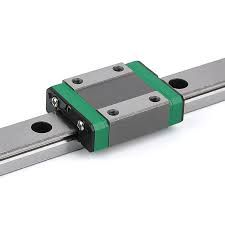
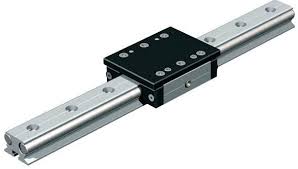
Linear motion refers to movement in a straight line. In the context of robotics and automation, linear motion solutions are often used for tasks that require precise, straight-line movements, such as moving an arm along a defined path or positioning a tool at an exact location. These systems rely on components like linear rails, guides, bearings, and actuators to ensure smooth and accurate motion.
DongGuan Gaozhi Transmission Co., Ltd. excels in providing these solutions, specifically designed to enhance the performance of coordinate robotic arms. The company’s linear motion systems enable seamless control and positioning in a wide range of industrial applications, from material handling to precision machining.
Difference Between Linear and Circular Motion
When selecting a motion solution for robotic arms, it’s essential to understand the difference between linear and circular motion.
Linear Motion: This involves straight-line movement, ideal for tasks like lifting, transporting materials, or precise tool positioning. Linear motion systems offer the advantage of accuracy and repeatability, which is crucial in industries like manufacturing and healthcare, where even minor errors can lead to significant consequences.
Circular Motion: Circular motion, on the other hand, involves rotation around a central axis. This type of motion is beneficial in applications such as rotating joints in robotic arms or when a part needs to be manipulated in a circular path. It is more common in tasks like assembly or when repetitive, rotational movement is needed.
By understanding these differences, companies can select the right motion type for their specific needs, ensuring that their robotic arms perform optimally.
Why Choose Linear Motion for Robotic Arms?
One of the main reasons linear motion is often favored in automation systems is its ability to provide precise control over movements. In tasks that demand exact positioning or tight tolerances, such as in semiconductor manufacturing or medical devices, linear motion solutions are indispensable. Moreover, these systems tend to be easier to control, which reduces the risk of errors in high-stakes environments.
Customer Question: "How do I decide between linear and circular motion for my robotic arm?"
Answer: The decision largely depends on the specific task at hand. If your application requires moving an object along a straight path or achieving precise positioning, linear motion solutions are ideal. On the other hand, if rotational movement or repetitive, circular actions are needed, a system designed for circular motion would be more appropriate. Our experts at DongGuan Gaozhi Transmission Co., Ltd. can assist you in selecting the best solution for your automation needs.
Conclusion
Linear motion solutions are integral to improving the performance and precision of robotic arms in automated environments. DongGuan Gaozhi Transmission Co., Ltd. continues to provide top-tier linear motion systems tailored to meet the diverse needs of industries requiring precise, efficient, and reliable motion control. Whether you’re in manufacturing, healthcare, or logistics, understanding the difference between linear and circular motion will help you make the right choice for your business.
Efficient Surface Treatment with Belt Driven Linear Modules in Automation
Understanding Linear Motion Bearing and Their Role in Robotic Arms


