Understanding Ball Screw Bearing for CNC Machines

When it comes to CNC machines, precise movement and reliability are crucial. Key components that play a significant role in achieving these attributes are ball screws, ball screw bearing, and ball plunger screws. Understanding how these components work together can help optimize the performance and longevity of your CNC machinery.
The Role of Ball Screw CNC Machines
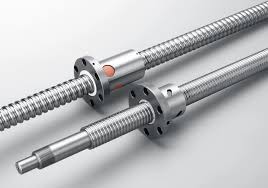
Ball screws are vital for converting rotational motion into linear motion in CNC machines. They use a series of ball bearings circulating within a screw shaft and nut to reduce friction, thus providing smoother and more precise movement. This setup allows for accurate control over the position and speed of the machine's moving parts.
How Ball Screw Bearing Enhance Performance
Ball screw bearings are specifically designed to support the ball screw's rotation and linear motion. These bearings ensure that the ball screw operates smoothly by minimizing friction and wear. They are critical for maintaining high accuracy and durability in CNC machines. The bearings support the axial and radial loads placed on the ball screw, allowing it to handle heavy-duty applications without compromising performance.
The Function of Ball Plunger Screw
Ball plunger screws are used to provide precise positioning and locking mechanisms within CNC machines. They consist of a ball that fits into a slot or recess, providing a reliable and repeatable locking action. Ball plunger screws are often employed to secure components in place or to set specific positions accurately. Their design ensures that the machine's moving parts remain stable and aligned during operation.
How These Components Work Together
In a CNC machine, the integration of ball screws, ball screw bearings, and ball plunger screws is essential for optimal performance. Here’s how they work together:
- Ball Screws: Convert the rotational motion of the motor into linear motion.
- Ball Screw Bearings: Support the ball screw and ensure smooth, frictionless operation.
- Ball Plunger Screws: Provide precise positioning and locking to maintain stability.
Choosing the Right Components
Selecting the appropriate ball screw CNC components involves considering several factors:
- Load Capacity: Ensure that the ball screw and bearings can handle the expected loads.
- Precision Requirements: Choose components that match the precision needs of your application.
- Environmental Conditions: Consider factors such as temperature and exposure to contaminants that might affect performance.
Maintenance Tips
To ensure the longevity of your CNC machine components, regular maintenance is essential:
- Lubrication: Keep the ball screws and bearings well-lubricated to reduce friction and wear.
- Inspection: Regularly check for signs of damage or wear, and replace parts as needed.
- Cleanliness: Maintain a clean environment to prevent contaminants from affecting performance.

In summary, understanding the interplay between ball screws, ball screw bearings, and ball plunger screws is crucial for achieving high precision and reliability in CNC machines. By selecting the right components and maintaining them properly, you can enhance the performance and durability of your CNC equipment. Whether you're setting up a new CNC system or optimizing an existing one, ensuring that these components work seamlessly together will lead to better machining outcomes and a more efficient operation.
Leading Ball Screw Manufacturers in China: Solutions for CNC Machines
Understanding Ball Screw Nuts and the Difference Between Lead Screws and Ball Screws


