
Understanding PCB Edge Plating and Electroplating Rectifiers

In the realm of electronics, the quality of printed circuit boards (PCBs) plays a crucial role in determining the performance and reliability of devices. Two essential processes in PCB manufacturing are PCB edge plating and the use of electroplating rectifiers. Understanding these concepts is vital for manufacturers aiming to enhance their production processes and product quality.
What is PCB Edge Plating?
PCB edge plating is a specialized process where a conductive layer is deposited on the edges of a printed circuit board. This technique is particularly important for ensuring that the edges of the PCB have the necessary electrical conductivity, which facilitates better connectivity and enhances the overall performance of electronic components. Edge plating also protects the PCB from environmental factors and mechanical wear, contributing to a longer lifespan for the device.
How Does Edge Plating Work?
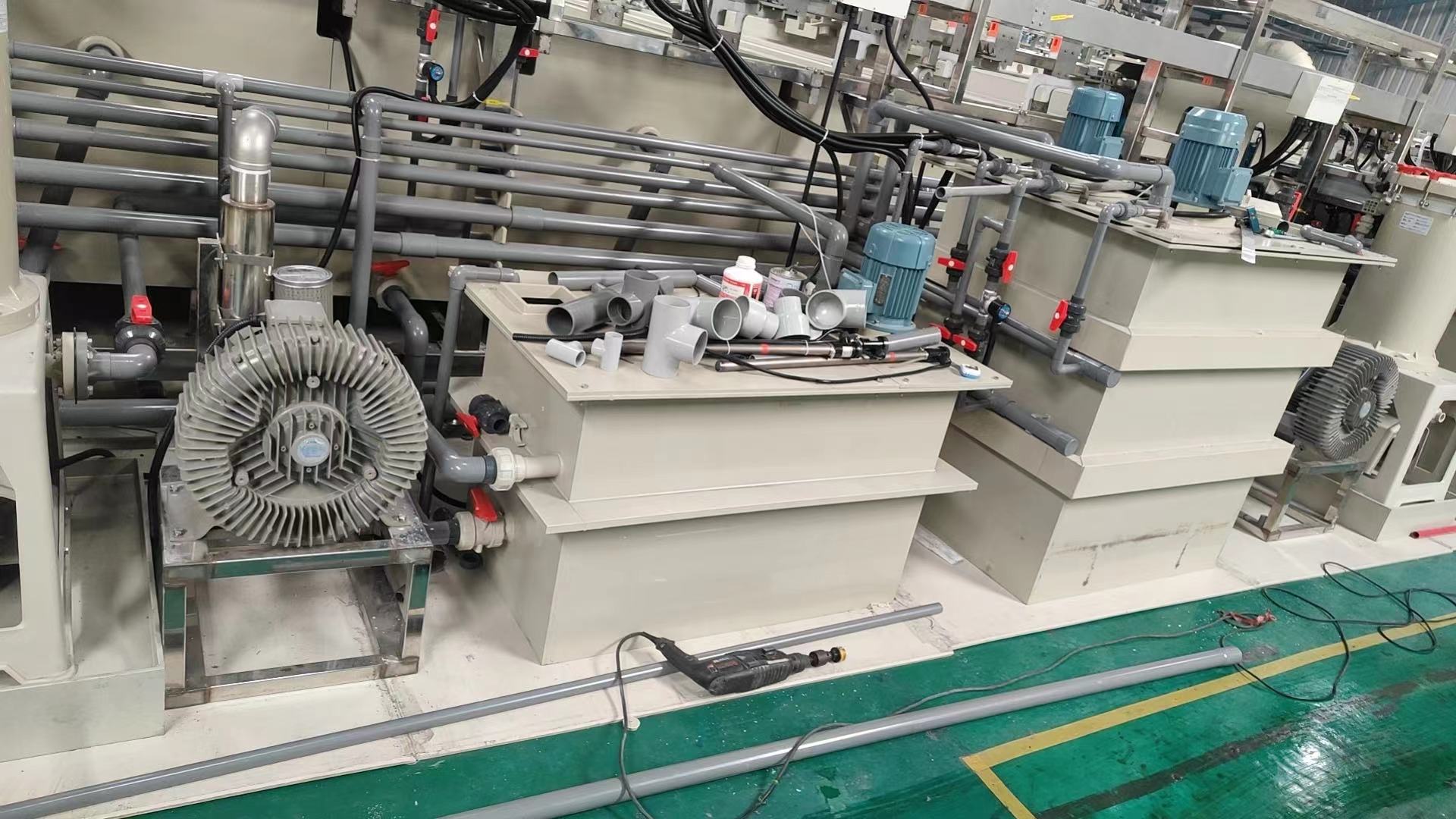
The edge plating process typically involves the use of electroplating techniques. A conductive material, often copper, is applied to the edges of the PCB through a controlled electrochemical process. This ensures an even layer of metal is deposited, which is crucial for maintaining the electrical properties of the PCB. By utilizing precision machinery and technology, manufacturers can achieve high-quality results that meet industry standards.
Role of Electroplating Rectifier
Electroplating rectifiers are critical components in the PCB manufacturing process. These devices convert alternating current (AC) into direct current (DC), providing a steady and controlled power supply for the electroplating process. The use of high-quality rectifiers ensures that the electroplating process runs smoothly and efficiently, which is essential for achieving uniform plating thickness and minimizing defects.
How to Choose the Right Electroplating Rectifier
When purchasing an electroplating rectifier, consider the following factors:
-
Output Voltage and Current: Ensure the rectifier can provide the necessary voltage and current for your specific electroplating needs.
-
Efficiency: Look for rectifiers with high efficiency ratings to reduce energy consumption and operational costs.
-
Quality and Durability: Choose rectifiers from reputable manufacturers known for producing reliable and durable equipment.
-
Technical Support: Opt for suppliers who offer excellent customer support and guidance during the purchasing process.
Frequently Asked Questions
-
What are the benefits of PCB edge plating?
- PCB edge plating enhances electrical conductivity, protects against environmental damage, and increases the mechanical durability of the PCB.
-
How do electroplating rectifiers improve the process?
- They provide a stable DC power supply, ensuring consistent and high-quality electroplating results.
-
Can I use any rectifier for PCB manufacturing?
- No, it is crucial to select a rectifier that meets the specific requirements of your electroplating setup to achieve optimal results.

Understanding PCB edge plating and the role of electroplating rectifiers is essential for manufacturers looking to improve their PCB quality and performance. By investing in the right equipment and techniques, companies can enhance their production processes, ensuring their products meet the demands of the ever-evolving electronics industry. Whether you're a seasoned manufacturer or new to the field, gaining insight into these processes will empower you to make informed decisions and achieve superior results.
Revolutionizing PCB Manufacturing with Automated Pattern Plating
The Importance of Precise Systems in Automation


